


Staying fit and healthy doesn’t always require a gym membership or expensive equipment. With the right guidance and consistency, you can maintain a healthy body at home using simple exercises that target strength, flexibility, and cardiovascular health. In today’s busy world, home workouts are convenient, cost-effective, and highly effective for maintaining overall well-being.
In this article, we will explore practical exercises for a healthy body at home and tips to make your routine sustainable.
1. Warm-Up: Prepare Your Body
Before starting any exercise, warming up is essential to prepare your muscles, joints, and cardiovascular system. A proper warm-up reduces the risk of injury and improves performance.
Simple warm-up exercises:
- Jumping jacks: 1–2 minutes to increase heart rate.
- Arm circles: Loosen shoulders and upper body.
- Leg swings: Gently stretch hip and leg muscles.
- Torso twists: Warm up the core and spine.
Spending 5–10 minutes warming up ensures your body is ready for the workout ahead.
2. Bodyweight Strength Exercises
Strength training is crucial for building muscle, improving bone density, and boosting metabolism. You don’t need weights; your body weight is enough for an effective home workout.
Key exercises for strength:
- Push-ups: Strengthen chest, shoulders, and arms. Modify by doing knee push-ups if needed.
- Squats: Work on thighs, glutes, and core. Perform 15–20 repetitions per set.
- Lunges: Target legs and improve balance. Alternate legs for 10–15 repetitions.
- Plank: Engage your core and improve stability. Hold for 30–60 seconds.
These exercises can be combined into a simple circuit to strengthen the whole body.
3. Cardio Exercises for Heart Health
Cardiovascular exercises help improve heart health, burn calories, and increase stamina. Home cardio workouts can be done with minimal space.
Effective home cardio exercises:
- High knees: Run in place while lifting knees toward the chest.
- Burpees: Full-body exercise that boosts heart rate.
- Mountain climbers: Engage core, legs, and shoulders simultaneously.
- Jump rope: Excellent for endurance if space allows.
Performing 15–20 minutes of cardio daily improves energy levels, metabolism, and overall health.
4. Flexibility and Stretching Exercises
Flexibility is often overlooked but is vital for preventing injuries, improving posture, and reducing muscle stiffness. Stretching can also help relax the mind and relieve stress.
Simple stretches for home:
- Hamstring stretch: Sit and reach for your toes to stretch the back of your legs.
- Quadriceps stretch: Stand and pull one foot toward your glutes.
- Shoulder stretch: Cross your arm across the chest and hold.
- Cat-Cow stretch: On hands and knees, alternate arching and rounding your back.
Incorporate stretching before and after workouts for better mobility and reduced soreness.
5. Core Exercises for Stability
A strong core supports posture, balance, and overall functional fitness. You can strengthen your core at home without special equipment.
Effective core exercises:
- Bicycle crunches: Target upper and lower abs while engaging obliques.
- Leg raises: Focus on lower abdominal muscles.
- Russian twists: Strengthen obliques and rotational movement.
- Plank variations: Side planks and plank with shoulder taps add challenge.
Aim for 2–3 sets of 10–15 repetitions per exercise for optimal results.
6. Balance and Coordination Exercises
Balance and coordination are important for overall body control and injury prevention. These exercises are simple but highly effective.
Home exercises for balance:
- Single-leg stands: Stand on one leg for 30 seconds, switch sides.
- Heel-to-toe walk: Walk in a straight line, placing one foot in front of the other.
- Yoga poses: Tree pose and Warrior III improve stability and coordination.
- Dynamic balance movements: Small lunges and side leg raises challenge balance.
Regular practice enhances body awareness and strengthens stabilizing muscles.
7. Create a Simple Home Workout Routine
Consistency is key to seeing results. You can combine the exercises into a simple, balanced routine:
Sample 30-minute routine:
- Warm-up: 5 minutes
- Strength circuit: Push-ups, squats, lunges, planks (2 sets each)
- Cardio: High knees or burpees, 5–10 minutes
- Core exercises: Bicycle crunches, leg raises, 2 sets each
- Stretching: 5 minutes
Adjust intensity and repetitions based on your fitness level. Gradually increase difficulty as you progress.
8. Tips for Success with Home Workouts
- Consistency: Schedule workouts at a fixed time to build a routine.
- Hydration: Drink plenty of water before, during, and after exercise.
- Proper form: Focus on correct technique to prevent injuries.
- Mix it up: Alternate exercises to avoid monotony and target different muscles.
- Rest and recovery: Allow muscles to recover at least one day per week.
Small, daily efforts add up to significant improvements in health and fitness over time.
Frequently Asked Questions (FAQs)
1. Do I need equipment to stay fit at home?
No. Many effective exercises, like squats, push-ups, and planks, use your body weight. Optional equipment like resistance bands or dumbbells can enhance results.
2. How long should a home workout last?
A 30–45 minute workout is sufficient for overall fitness. Even 15–20 minutes of focused exercise daily can improve health.
3. Can home exercises improve weight loss?
Yes. Combining cardio, strength training, and a healthy diet can help burn calories, build muscle, and reduce body fat effectively.
4. How often should I exercise at home?
Aim for at least 4–5 days a week. Include a mix of strength, cardio, and flexibility exercises for a balanced routine.
5. How do I stay motivated to exercise at home?
Set realistic goals, track progress, vary exercises, and reward yourself for consistency. Listening to music or working out with a partner can also boost motivation.
Final Thoughts
Exercising at home is convenient, effective, and accessible for everyone. By combining strength training, cardio, core workouts, flexibility, and balance exercises, you can maintain a healthy body without stepping foot in a gym. Consistency, proper form, and gradual progression are the keys to long-term fitness.
Start with simple routines today, stay committed, and gradually challenge yourself to achieve a healthier, stronger, and more energetic body—all from the comfort of your home.

Key Takeaways Shibby RV Living is located in Woodruff, South [...]
Key Takeaways Search, scraping, crawling, and extraction serve different stages [...]
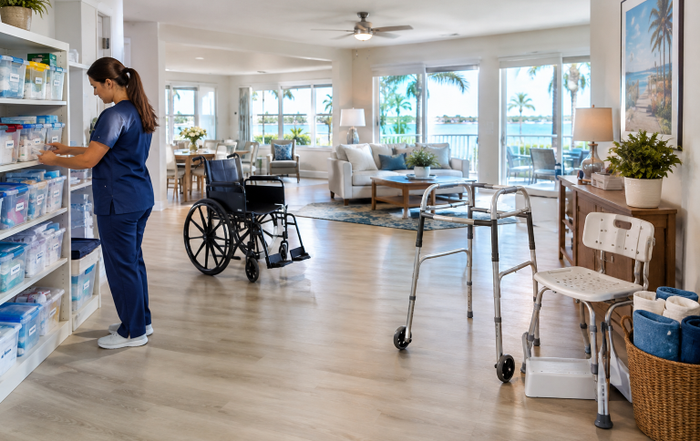
Key Takeaways Build the supply plan around daily care tasks. [...]
Andrew Sorial is a board-certified psychiatrist based in Boca Raton, [...]
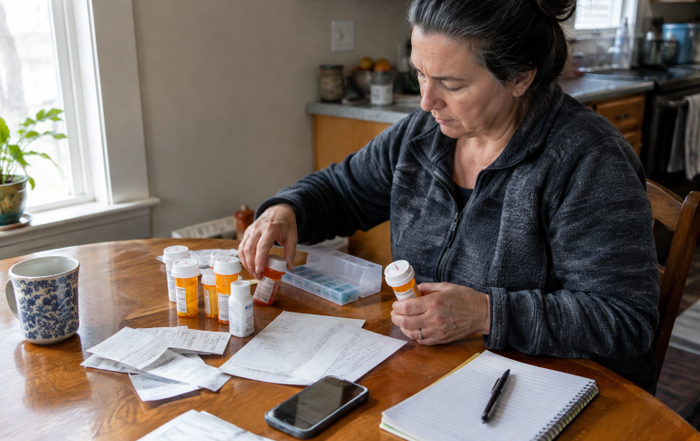
Key Takeaways Medication errors do not automatically establish medical malpractice, [...]
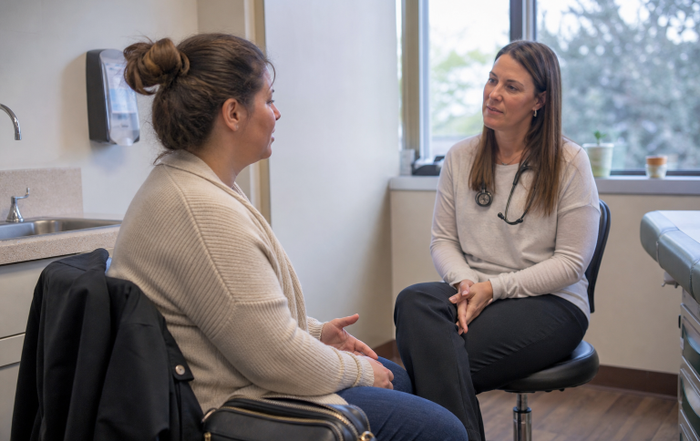
Key Takeaways Primary care is often the best starting point [...]
Modern Approaches to Spine Pain Relief
How Non-Invasive Technology Is Shaping Modern Weight Management
Understanding the Healing Process for Ankle Wounds