


Open communication can be a factor in men’s health when identifying and resolving physiological issues related to male intimacy. While many individuals may delay seeking assistance due to social stigma, transparent dialogue with partners and providers can accelerate the diagnostic process. Prioritizing men’s sexual health through active discussion may lead to more effective treatment outcomes and long-term wellness.
Common Sexual Dysfunctions
Men’s health encompasses a wide range of biological functions that require precise coordination between the nervous and vascular systems. When these systems fail to synchronize, a person experiences sexual dysfunction, which is defined as a persistent inability to achieve satisfaction during sexual activity. Identifying the specific nature of these issues through open discussions with a provider can be the first step toward clinical recovery.
Common categories of dysfunction include:
- Erectile dysfunction
- Premature or delayed ejaculation
- Low libido or testosterone deficiency
- Performance-related anxiety
Clinical diagnosis relies on a patient’s willingness to describe the duration and frequency of their symptoms to a medical professional. Physical exams alone might not reveal the full extent of the issue, making open discussion a helpful part of the intake process. Providing an accurate history of physical changes may allow doctors to rule out underlying conditions like diabetes or heart disease.
Partner Relationship Dialogue
Sharing health concerns with a partner can create a supportive environment that often reduces the psychological effects of physical symptoms. When individuals discuss their experiences openly, they frequently notice a decrease in performance-related anxiety. This transparency can help prevent the buildup of resentment or misunderstanding within the relationship. Couples who communicate may be able to navigate the challenges of treatment together.
Clear dialogue helps partners understand that sexual changes are medical issues rather than reflections of relationship issues. This shift in perspective may help alleviate pressure and allow for a more relaxed approach to intimacy. Consistent updates regarding progress or setbacks may keep both parties aligned on health goals.
Medical Health Professionals
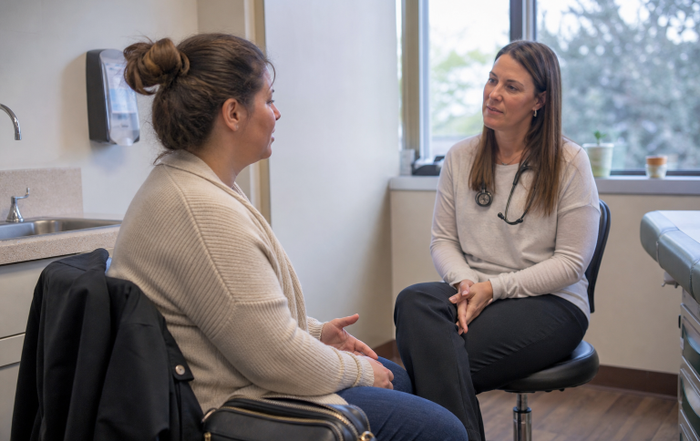
Meeting with a specialist allows individuals to access helpful diagnostic tools that are not typically available through self-assessment. A professional environment may offer a space where patients discuss sensitive topics with someone who understands and wants to help. During these appointments, clinicians evaluate hormonal levels and blood flow to determine the root cause of the dysfunction. A structured clinical program can provide tailored plans that address the unique physiology of each man.
Effective treatment may often involve a combination of medication, lifestyle adjustments, and behavioral shifts. Following a professional consultation, patients may receive clear instructions on how to manage their conditions safely. It can help providers adjust treatments when men provide honest feedback about how their bodies respond to new therapies, and maintaining communication with a provider may allow for the adjustment of dosages or techniques as needed.
Learn More About Men’s Health
Proactive engagement with professional programs can be the first step to improving sexual health. Specialized clinics offer comprehensive evaluations that integrate modern medical technology with personalized care, and open communication and professional guidance can both be tools to improve sexual function and health. For more information about what a men’s health specialist can do, consult your healthcare provider.
- How Can RV Travelers Find a Peaceful, Full-Hookup RV Park Near Greenville? Shibby RV Living Offers a Simpler Stay
- How to Compare Search, Scraping, Crawling, and Extraction Tools for AI Agents
- How To Build A Practical Home Medical Supply Plan For Safer Daily Care In Sarasota, Florida
- Andrew Sorial: Why Psychiatrists Should Collaborate with Other Healthcare Providers
- Medication Errors And Medical Malpractice Claims

Key Takeaways Shibby RV Living is located in Woodruff, South [...]

Key Takeaways Search, scraping, crawling, and extraction serve different stages [...]

Key Takeaways Build the supply plan around daily care tasks. [...]
Andrew Sorial is a board-certified psychiatrist based in Boca Raton, [...]
Key Takeaways Medication errors do not automatically establish medical malpractice, [...]
Key Takeaways Primary care is often the best starting point [...]
How To Build A Local Mental Health Support Network In Meridian
Party’s or Parties: Which One Is Correct?
Circuit Party: A Complete Guide to Meaning, Culture, Music, Safety, and Modern Events