


Back pain is a common reason that individuals visit doctors or miss work, affecting the lives of millions. Understanding the available solutions for managing this discomfort is the first step toward reclaiming mobility and comfort. Some back issues resolve on their own with rest and home care, others require a more structured approach to pain management.
What Causes Back Pain?
Back pain ranges from a muscle aching to a shooting, burning, or stabbing sensation. The pain may radiate down your leg or worsen with bending, twisting, lifting, standing, or walking. Several factors contribute to the onset of back discomfort, including:
- Muscle or Ligament Strain: Repeated heavy lifting or a sudden awkward movement may strain back muscles and spinal ligaments. Constant strain on your back can cause painful muscle spasms.
- Bulging or Ruptured Disks: Disks act as cushions between the bones in your spine. The soft material inside a disk can bulge or rupture and press on a nerve.
- Arthritis: Osteoarthritis can affect the lower back. Arthritis in the spine can lead to a narrowing of the space around the spinal cord, a condition called spinal stenosis.
- Osteoporosis: Your spine’s vertebrae can develop painful fractures if your bones become porous and brittle. This condition weakens bones, making them more susceptible to breaks even with minor stress.
When Should You Seek Care?
Most back pain gradually improves with home treatment and self-care, usually within a few weeks. Back pain can signal a serious medical problem in rare cases. Contact your doctor if your back pain:
- Persists past a few weeks
- Is severe and does not improve with rest
- Spreads down one or both legs, especially if the pain extends below the knee
- Causes weakness, numbness, or tingling in one or both legs
Seek immediate care if your back pain causes new bowel or bladder problems, is accompanied by a fever, or follows a fall or other injury.
What Does Pain Management Involve?
Pain management for back issues is rarely a one-size-fits-all solution. It typically involves a combination of therapies, each tailored to the specific cause and severity of the pain. These methods can range from therapeutic modalities that require no medical procedures to more involved strategies, such as injections and surgery.
Medications
Doctors may recommend various medications depending on the type of back pain. These might include over-the-counter pain relievers or prescription drugs for more severe cases. Muscle relaxants may help if you have muscle spasms.
Injections
If other measures do not relieve pain and if the pain radiates down your leg, your doctor may inject an anti-inflammatory medication around the spinal cord. This type of injection helps decrease inflammation around the nerve roots, and the pain relief usually lasts a few months.
Surgical Options
Few people need surgery for back pain. Surgery is usually reserved for structural problems that haven’t responded to other therapy, and can be utilized for spinal stenosis or a herniated disk. If you have unrelenting pain or radiating leg pain or progressive muscle weakness caused by nerve compression, surgery might be an option.
Speak With a Medical Expert
Navigating back pain requires professional guidance to determine the root cause and the most effective treatment plan. While home remedies and lifestyle adjustments provide relief for many, persistent or severe pain warrants a consultation with a specialist. A pain management expert can offer a comprehensive evaluation, utilizing advanced diagnostic tools to pinpoint the source of your discomfort. Early intervention can lead to better outcomes and prevent acute issues from becoming chronic conditions.
- How Can RV Travelers Find a Peaceful, Full-Hookup RV Park Near Greenville? Shibby RV Living Offers a Simpler Stay
- How to Compare Search, Scraping, Crawling, and Extraction Tools for AI Agents
- How To Build A Practical Home Medical Supply Plan For Safer Daily Care In Sarasota, Florida
- Andrew Sorial: Why Psychiatrists Should Collaborate with Other Healthcare Providers
- Medication Errors And Medical Malpractice Claims

Key Takeaways Shibby RV Living is located in Woodruff, South [...]
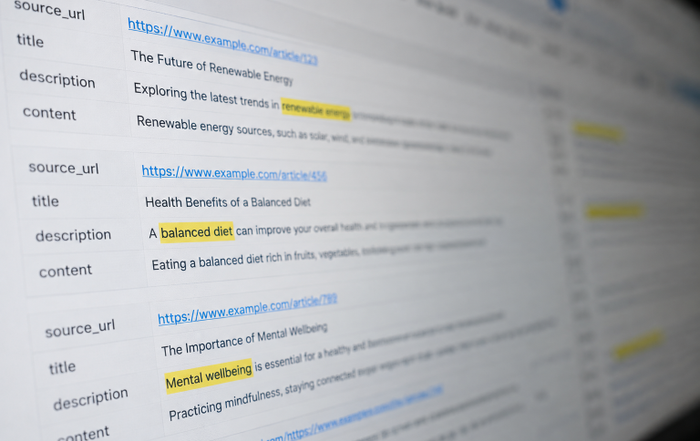
Key Takeaways Search, scraping, crawling, and extraction serve different stages [...]

Key Takeaways Build the supply plan around daily care tasks. [...]
Andrew Sorial is a board-certified psychiatrist based in Boca Raton, [...]
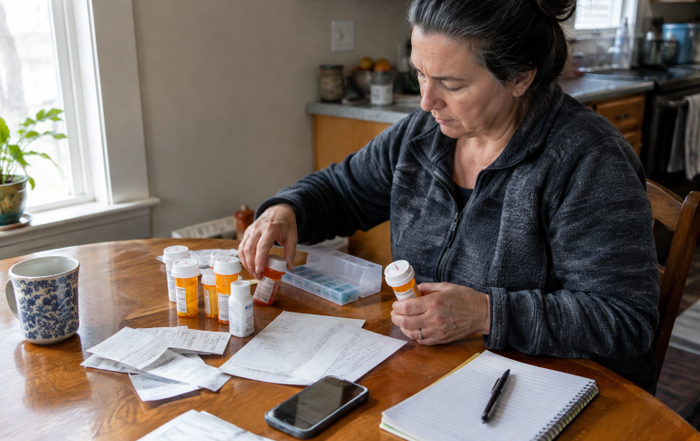
Key Takeaways Medication errors do not automatically establish medical malpractice, [...]
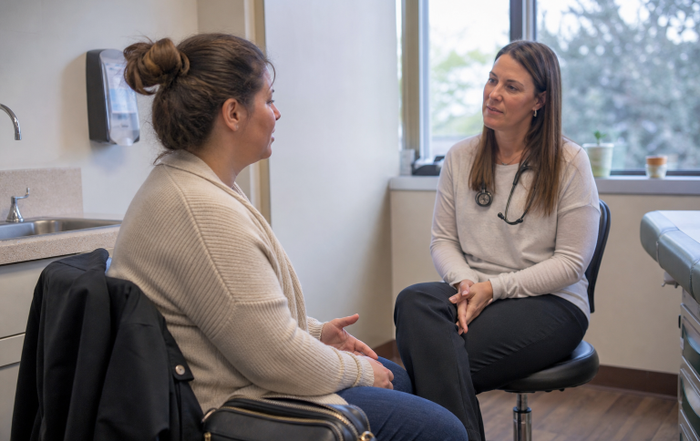
Key Takeaways Primary care is often the best starting point [...]
How To Build A Local Mental Health Support Network In Meridian
Party’s or Parties: Which One Is Correct?
Circuit Party: A Complete Guide to Meaning, Culture, Music, Safety, and Modern Events