


Hormones regulate many functions in women’s health. They influence growth, metabolism, reproduction, mood, and other physiological processes. Hormonal activity changes and varies by developmental stage. These patterns shift during puberty, the reproductive years, pregnancy, menopause, and aging. Understanding how hormonal changes affect the body supports informed health decisions and allows clinicians to monitor, evaluate, and manage potential risks over time.
Women’s Health Beginning Years
Puberty marks the onset of reproductive maturity and involves coordinated hormonal processes that drive physical and biological changes in women’s health. Two processes occur during this stage: gonadarche and adrenarche. Gonadarche begins when the hypothalamic-pituitary-gonadal axis becomes active. The brain sends signals to the ovaries, prompting the production of estradiol and other reproductive hormones. Rising estradiol levels lead to the development of secondary sex characteristics, including breast development and changes in body composition. The timing and pace of these changes vary between individuals and may be influenced by genetic, nutritional, and environmental factors.
Menstruation begins as a result of these hormonal shifts, and feedback mechanisms are established to regulate the menstrual cycle. Adrenarche occurs alongside gonadarche and involves increased androgen production by the adrenal glands. These hormones contribute to hair growth, changes in skin oil production, and body odor. Puberty is also associated with hormonal fluctuations that may influence mood and emotional regulation. Research suggests adolescent females experience increased rates of mood symptoms during this period, though outcomes are shaped by multiple factors, including stress exposure, social environment, and personal history.
Women’s Health Middle Years
Following puberty, menstrual cycles become established and continue until menopause. Each cycle is regulated by predictable hormonal changes. Estrogen levels rise during the first half of the cycle and support ovulation and uterine lining preparation. After ovulation, progesterone increases to maintain the uterine lining in case of pregnancy. These hormone shifts follow precise patterns, and disruptions can result in irregular cycles or symptoms. Hormonal fluctuations during the reproductive years may affect mood, energy levels, and physical comfort. Some individuals experience premenstrual symptoms, which range from mild to severe. The severity of symptoms varies and is influenced by hormonal sensitivity, stress, and overall health.
Hormones also play a role in gynecologic conditions such as endometriosis and uterine fibroids. In endometriosis, tissue similar to the uterine lining grows outside the uterus and responds to hormonal changes, often causing pain or inflammation. Uterine fibroids are noncancerous growths that develop within the uterus and are also influenced by estrogen and progesterone levels. Symptoms and clinical impact depend on factors such as size, location, and hormonal response.
Women’s Health Later Years
Pregnancy involves significant hormonal adaptation to support fetal development. Estrogen and progesterone levels rise steadily, and the placenta becomes the primary source of hormone production during later stages of pregnancy. After delivery, hormone levels decline rapidly. This shift can affect mood, energy, and physical recovery. Postpartum mood disorders may develop in some individuals and are influenced by hormonal withdrawal, sleep disruption, and psychosocial stressors.
Later in life, ovarian hormone production declines, and menopause marks the end of menstruation. Lower estrogen and progesterone levels may lead to symptoms such as hot flashes, sleep changes, and mood variation. Reduced estrogen also affects bone metabolism, increasing the risk of osteoporosis and fractures. Cardiovascular risk factors may change as well, including lipid levels and fat distribution.
Hormone therapy may be considered to manage symptoms or reduce bone loss, but treatment decisions should be individualized. Health history, risk factors, and personal preferences guide care planning, and regular monitoring supports safe use.
Find a Clinic
Hormones play a central role in female health across the lifespan. From puberty through menopause and aging, hormonal changes influence physical systems and emotional well-being. Although these changes follow predictable patterns, individual experiences vary widely. Monitoring hormonal transitions allows healthcare providers to identify risks, manage symptoms, and guide preventive care. Individualized health strategies and regular assessment support long-term well-being and informed decision-making.
- How Can RV Travelers Find a Peaceful, Full-Hookup RV Park Near Greenville? Shibby RV Living Offers a Simpler Stay
- How to Compare Search, Scraping, Crawling, and Extraction Tools for AI Agents
- How To Build A Practical Home Medical Supply Plan For Safer Daily Care In Sarasota, Florida
- Andrew Sorial: Why Psychiatrists Should Collaborate with Other Healthcare Providers
- Medication Errors And Medical Malpractice Claims

Key Takeaways Shibby RV Living is located in Woodruff, South [...]
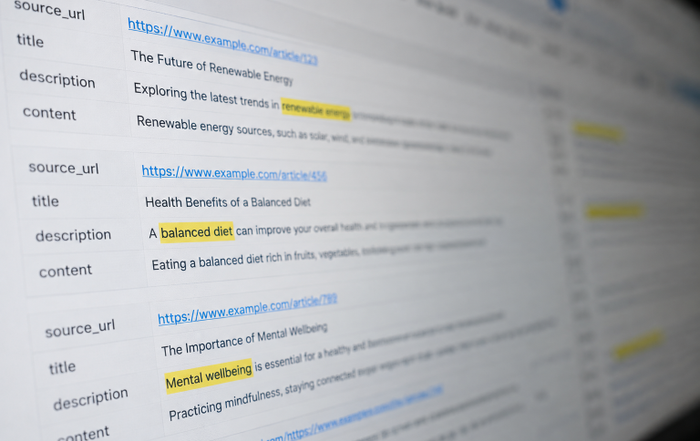
Key Takeaways Search, scraping, crawling, and extraction serve different stages [...]

Key Takeaways Build the supply plan around daily care tasks. [...]
Andrew Sorial is a board-certified psychiatrist based in Boca Raton, [...]
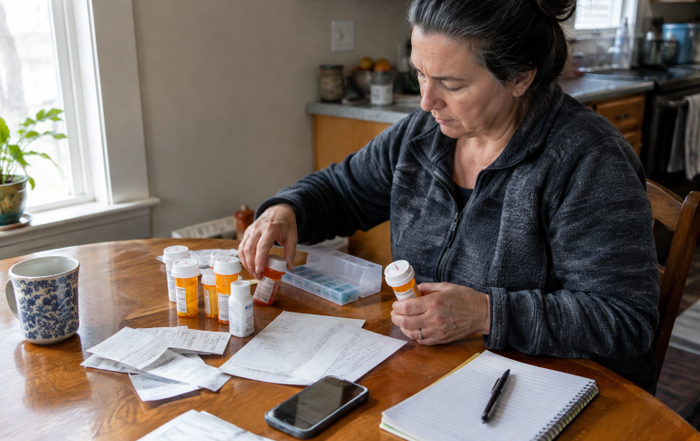
Key Takeaways Medication errors do not automatically establish medical malpractice, [...]
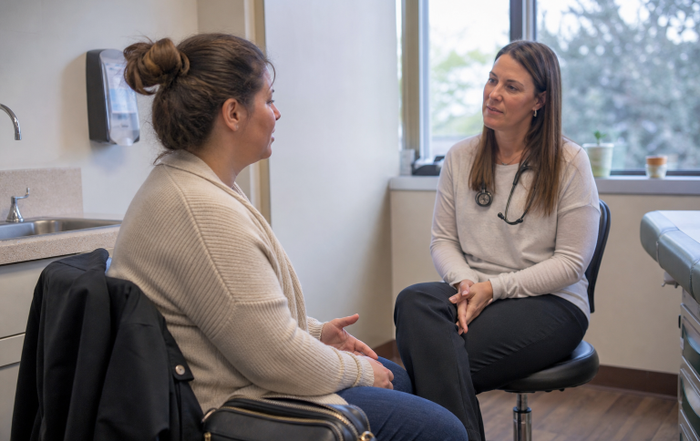
Key Takeaways Primary care is often the best starting point [...]
How To Build A Local Mental Health Support Network In Meridian
Party’s or Parties: Which One Is Correct?
Circuit Party: A Complete Guide to Meaning, Culture, Music, Safety, and Modern Events