


Musculoskeletal pain is a common experience and arises from various causes, including injury, overuse, and degenerative conditions. The management of this discomfort often involves a range of approaches. Among the available options is a nonsurgical procedure known as prolotherapy, which focuses on stimulating the body’s natural healing processes to strengthen and repair injured ligaments and tendons. Understanding the science behind this treatment can provide clarity on its intended function and applications.
What Is Prolotherapy?
Prolotherapy is an injection-based procedure for chronic musculoskeletal conditions. It involves injecting a mild irritant solution into a specific area to trigger a localized inflammatory response. The theory is that this controlled inflammation initiates the body’s natural healing cascade, which can lead to the growth of new, healthy tissue. This process is intended to strengthen and stabilize the joint, potentially reducing pain and improving function.
The solutions used in prolotherapy vary but often contain substances like dextrose; these components are chosen for their ability to act as irritants without causing tissue damage. The procedure is performed in a clinical setting by a trained medical professional. A course of treatment typically involves a series of injections spaced several weeks apart, allowing the body time to respond and regenerate tissue between sessions.
What Is It Used For?
Medical professionals apply prolotherapy to a variety of musculoskeletal issues, particularly those related to ligament and tendon laxity or injury. Ligaments are the fibrous connective tissues that link bones to other bones and provide stability to joints. Tendons connect muscles to bones. When these structures are torn or weakened, they can become a source of chronic pain and joint instability.
Common areas treated with prolotherapy include the back, neck, elbow, and other joints. It may be applied to conditions such as chronic back pain, certain types of arthritis-related pain, and tendinopathies like tennis elbow or Achilles tendinosis. The goal is to address the underlying structural weakness that contributes to ongoing discomfort, rather than simply managing the symptoms. A thorough evaluation by a qualified provider determines if a patient’s condition is suitable for this type of intervention.
How Does It Work?
The mechanism behind prolotherapy is grounded in the body’s wound-healing process. Inflammation, the first phase of the process, begins after the injection. The irritant solution creates a controlled injury and signals the body to dispatch inflammatory cells to the site. This initial stage is a necessary part of the healing journey.
Over time, the newly repaired tissue can be reorganized and aligned to increase its strength. The tissue may mature and integrate with the surrounding structures, resulting in a strengthened and more stable joint. Each injection restarts the healing cascade. This allows for the progressive rebuilding of tissue.
Confer With a Medical Expert
To make an informed decision about your health, a direct consultation with a qualified medical professional is necessary. A physician can conduct a comprehensive physical examination and discuss your symptoms to provide an accurate diagnosis. They can explain the potential benefits associated with prolotherapy and compare it with other therapeutic choices.
- How Can RV Travelers Find a Peaceful, Full-Hookup RV Park Near Greenville? Shibby RV Living Offers a Simpler Stay
- How to Compare Search, Scraping, Crawling, and Extraction Tools for AI Agents
- How To Build A Practical Home Medical Supply Plan For Safer Daily Care In Sarasota, Florida
- Andrew Sorial: Why Psychiatrists Should Collaborate with Other Healthcare Providers
- Medication Errors And Medical Malpractice Claims

Key Takeaways Shibby RV Living is located in Woodruff, South [...]
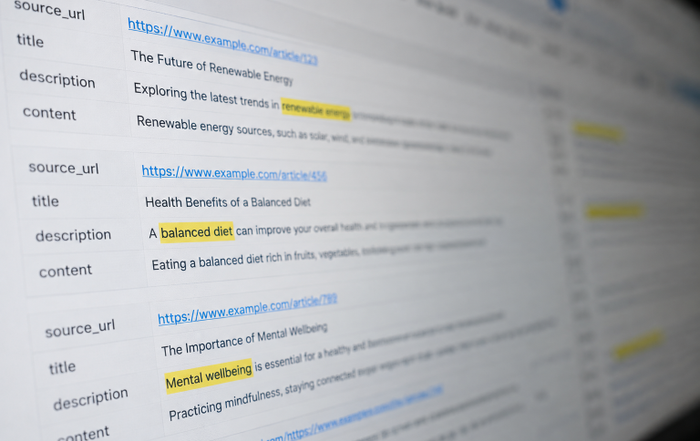
Key Takeaways Search, scraping, crawling, and extraction serve different stages [...]

Key Takeaways Build the supply plan around daily care tasks. [...]
Andrew Sorial is a board-certified psychiatrist based in Boca Raton, [...]
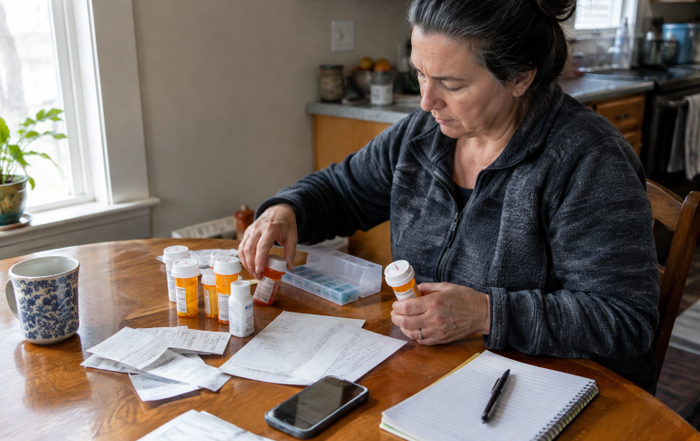
Key Takeaways Medication errors do not automatically establish medical malpractice, [...]
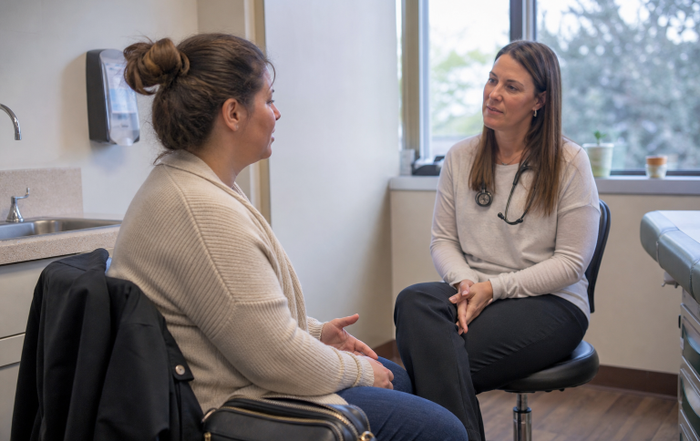
Key Takeaways Primary care is often the best starting point [...]
How To Build A Local Mental Health Support Network In Meridian
Party’s or Parties: Which One Is Correct?
Circuit Party: A Complete Guide to Meaning, Culture, Music, Safety, and Modern Events