


A spine fracture presents significant challenges for patients, necessitating a comprehensive understanding of the pathology and available interventions. The spinal column serves as the central support structure for the body, but it is susceptible to injury from various causes. When a vertebra collapses or breaks, the resulting condition requires immediate medical attention and structured rehabilitation. This article outlines the nature of these fractures, the primary treatment modalities, and the specific outcomes associated with vertebral augmentation procedures.
What Causes a Spine Fracture?
A “broken back” is a colloquial term used to describe a spine fracture, and both terms refer to a break in one of the vertebrae; a fracture occurs when one of these bones collapses or cracks. The clinical implications remain the same for the patient. A fracture can cause severe pain, but it also compromises the structural integrity of the spine.
With Osteoporosis, bones become brittle, so even minor stresses can lead to a vertebral compression fracture. Trauma is another primary cause, occurring during car accidents or falls, which exerts excessive force on the spinal column. Tumors may also weaken the vertebrae, creating instability that eventually leads to a fracture. Identifying the cause helps determine the appropriate treatment plan.
What are the Treatments?
Conservative management is often used for stable fractures that do not threaten the spinal cord. Doctors may prescribe bed rest and pain medication, and patients often wear a back brace to limit movement while the bone heals naturally. This approach is effective for many, but it does require a significant time investment for recovery. If pain persists despite these measures, or if the fracture is severe, interventional procedures become necessary.
Vertebral augmentation encompasses minimally invasive procedures like vertebroplasty and kyphoplasty, which are designed to stabilize the fractured vertebra. In a vertebroplasty, a physician injects medical-grade bone cement directly into the fractured bone, and this cement hardens quickly to reinforce the structure. Kyphoplasty involves an additional step where a balloon is first inserted and inflated to restore the vertebra’s height before the cement is injected. These procedures provide rapid pain relief, and they are generally performed on an outpatient basis.
What Comes After?
The recovery period following vertebral augmentation is typically brief, allowing patients to return to their daily activities quickly. Patients are monitored for a short period after the procedure, and most are discharged on the same day once their vital signs are stable. Pain relief is often immediate or noticed within a few days, which significantly improves the patient’s comfort levels.
Rehabilitation focuses on gradually increasing mobility, but heavy lifting should be avoided for several weeks. Physical therapy may be recommended to strengthen the back muscles, and this support helps prevent future injuries. While the procedure stabilizes the fracture, the underlying cause, such as osteoporosis, must still be managed medically. Regular follow-up appointments help you understand that the healing process is progressing as expected.
Meet With a Specialist
Managing a spine fracture requires a tailored approach that addresses both the acute injury and the patient’s long-term health. Whether treated conservatively or through vertebral augmentation, the goal remains the restoration of stability and the reduction of pain. By understanding the causes and treatment options, patients and providers can work together to achieve optimal outcomes. Find a clinic in your area for proper care.
- How Can RV Travelers Find a Peaceful, Full-Hookup RV Park Near Greenville? Shibby RV Living Offers a Simpler Stay
- How to Compare Search, Scraping, Crawling, and Extraction Tools for AI Agents
- How To Build A Practical Home Medical Supply Plan For Safer Daily Care In Sarasota, Florida
- Andrew Sorial: Why Psychiatrists Should Collaborate with Other Healthcare Providers
- Medication Errors And Medical Malpractice Claims

Key Takeaways Shibby RV Living is located in Woodruff, South [...]
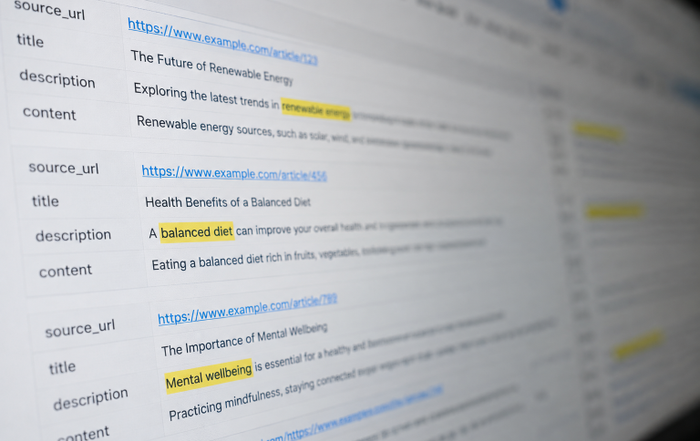
Key Takeaways Search, scraping, crawling, and extraction serve different stages [...]
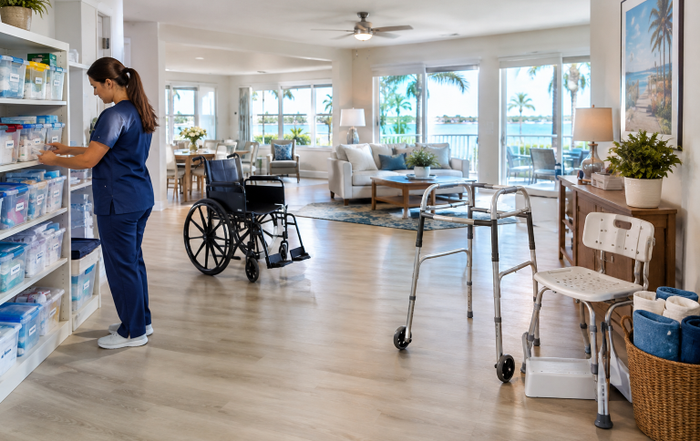
Key Takeaways Build the supply plan around daily care tasks. [...]
Andrew Sorial is a board-certified psychiatrist based in Boca Raton, [...]
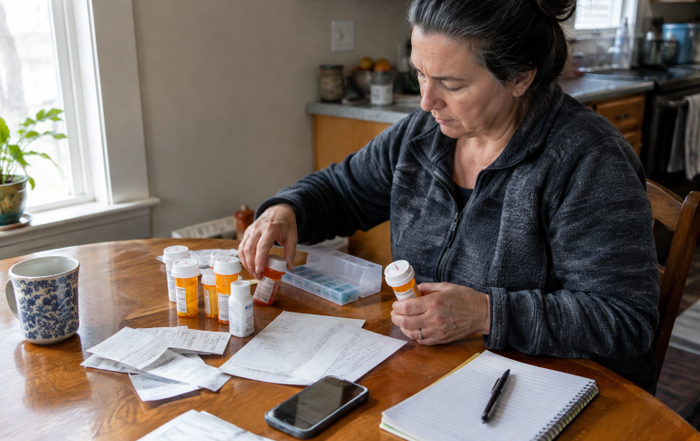
Key Takeaways Medication errors do not automatically establish medical malpractice, [...]
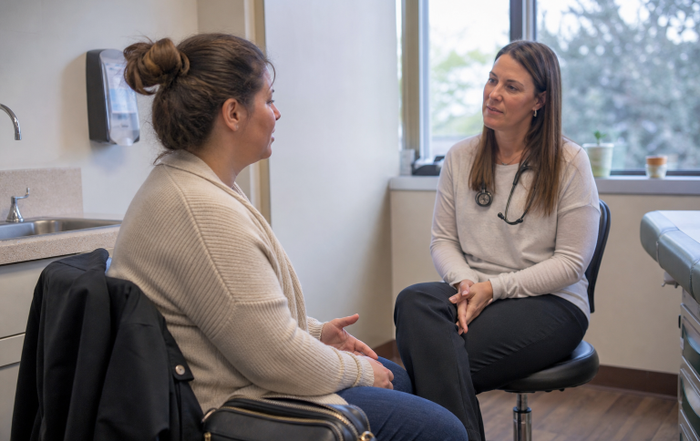
Key Takeaways Primary care is often the best starting point [...]
How To Build A Local Mental Health Support Network In Meridian
Party’s or Parties: Which One Is Correct?
Circuit Party: A Complete Guide to Meaning, Culture, Music, Safety, and Modern Events