


Anxiety can create communication barriers between partners. You might feel hesitant to share your feelings, but silence can inadvertently create distance. Opening up allows your partner to better understand your internal experience. Since effective communication strengthens the bond you share, it builds a foundation of trust.
Establishing a Safe Environment
Timing matters in conversations. Choose a moment when you both feel calm, and distractions can be minimized. If you talk during stress, tension may rise, and the message gets lost. A quiet evening at home works well, or you might prefer a weekend morning. When the environment is peaceful, both partners may focus on the words being spoken. Choose the physical setting carefully. Pick a place where you feel safe, and keep your privacy. The living room is comfortable, or a park bench offers fresh air. When you remove interruptions, you show the topic matters, and your partner pays closer attention. Writing your thoughts down helps with organization. Write a letter or create a simple list. If speaking feels hard, write instead so your partner can read it.
Identifying Triggers and Coping Mechanisms
Anxiety often has specific triggers that vary by person. Identify what situations or events cause your anxiety to spike. Share these triggers clearly with your partner. Some people struggle with crowds or deadlines, which cause significant stress. Knowing these triggers helps your partner anticipate needs and prepare support. Recognize the physical signs of your anxiety. Your heart races, or your hands start to shake. When you notice these changes, tell your partner, and they could help you regulate. Recognizing early warning signs prevents escalation. You become more self-aware, and your partner learns to read your body language. Discuss the coping mechanisms that work for you. Some people need space to decompress, while others prefer reassurance or physical touch. Explain which actions are helpful and which ones make things worse. If you need quiet time, tell them so they know not to press.
Exploring Anxiety Support Options
Because everyone is different, some individual efforts need supplemental professional guidance. Exploring various treatment modalities available today provides more choices. Discussing these options with your partner keeps them informed about your health journey. They support your decision to seek help, and your partner could assist with logistics. Nutritional psychiatry coaching is a helpful option. Diet impacts brain function, and food choices affect mood stability. The gut connects to the brain, so what you eat matters, and a coach guides you. Learn to fuel your body correctly.
Your partner can help with grocery shopping, so you can try new recipes together. Medication management is a common and effective tool. A provider prescribes medication to help regulate anxiety symptoms. Discuss this option with your doctor, and share the plan with your partner. If you choose this route, your partner helps monitor side effects or offers encouragement. Other specialized treatments exist for persistent anxiety. Transcranial magnetic stimulation (TMS) is a non-invasive option for some individuals. Ketamine therapy is another avenue that some providers offer, because of some treatment-resistant cases. If standard treatments fail, research these options together and consult a qualified professional.
Take Action Today
Open communication requires ongoing effort and practice. You have the tools to start these conversations now. Prioritize your mental health and invite your partner into your support system. Schedule a time to talk this week, or simply start by sharing one small feeling. Since taking the first step sometimes feels the hardest, it might feel difficult. But the result can be a stronger partnership.
- How Can RV Travelers Find a Peaceful, Full-Hookup RV Park Near Greenville? Shibby RV Living Offers a Simpler Stay
- How to Compare Search, Scraping, Crawling, and Extraction Tools for AI Agents
- How To Build A Practical Home Medical Supply Plan For Safer Daily Care In Sarasota, Florida
- Andrew Sorial: Why Psychiatrists Should Collaborate with Other Healthcare Providers
- Medication Errors And Medical Malpractice Claims

Key Takeaways Shibby RV Living is located in Woodruff, South [...]
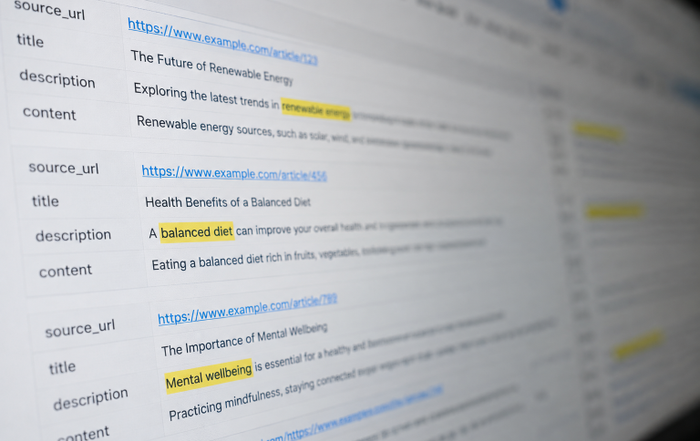
Key Takeaways Search, scraping, crawling, and extraction serve different stages [...]

Key Takeaways Build the supply plan around daily care tasks. [...]
Andrew Sorial is a board-certified psychiatrist based in Boca Raton, [...]
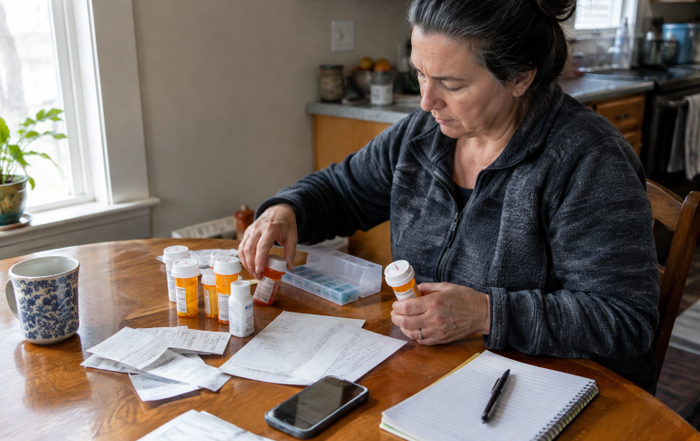
Key Takeaways Medication errors do not automatically establish medical malpractice, [...]
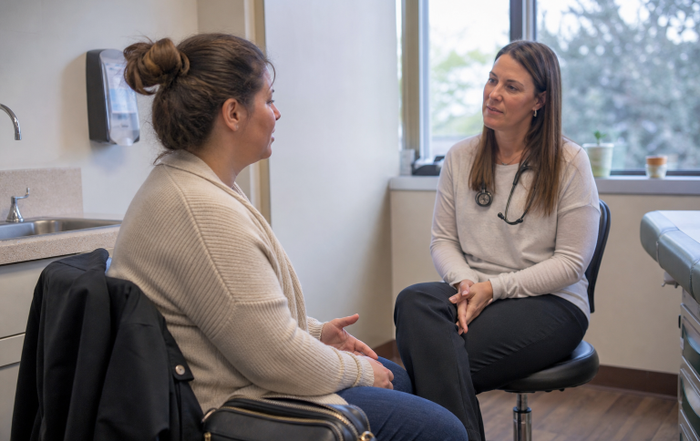
Key Takeaways Primary care is often the best starting point [...]
Andrew Sorial: Why Psychiatrists Should Collaborate with Other Healthcare Providers
What to Know Before Trying IV Vitamin Therapy
Why Scale Weight Can Mislead: A Los Angeles, California Guide to Tracking Fat, Muscle, and Fitness Progress