


Key Takeaways
- Practicing good posture throughout the day relieves excess pressure on your back.
- Daily exercise strengthens core and back muscles, providing natural support for your spine.
- Proper lifting techniques can prevent sudden injuries and long-term damage.
- Healthy weight management eases the strain on the spinal column and discs.
- Hydration is vital for spinal disc health and overall function.
Maintaining a healthy spine is the foundation of long-term physical wellness. Most people experience back pain at some point in their lives, but many spinal issues are preventable through daily habits that support spinal integrity. By making conscious choices throughout your day and by consulting experts such as a Huntley chiropractor, you can build resilience and flexibility in your spine while reducing the risk of chronic pain or future injury.
Integrating spine-friendly habits does not have to be complicated. Simple adjustments to the way you sit, move, and live can enhance your comfort, posture, and quality of life for years to come. From your morning routine to bedtime rituals, protecting your spinal health benefits the entire body and helps you stay active longer.
Practice Good Posture
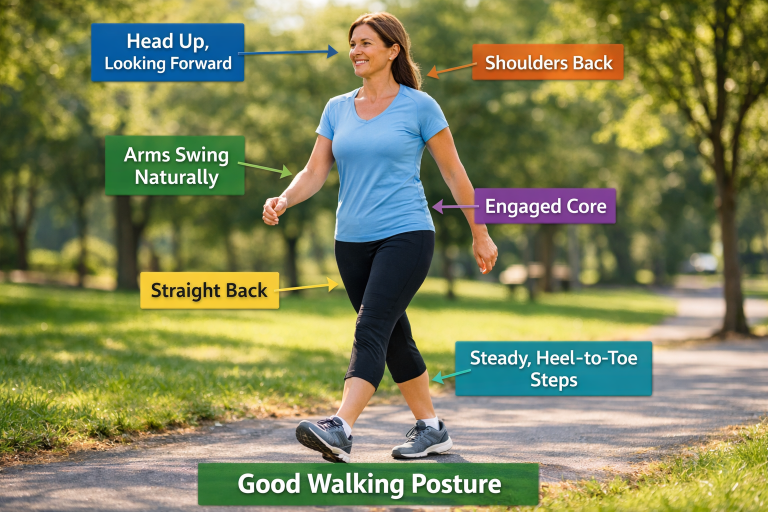
Slouching at your desk or hunching over devices increases stress on your cervical and lumbar spine. To cultivate good posture, sit with your feet flat on the floor, shoulders relaxed and not rounded, and your ears aligned with your shoulders. When standing, evenly distribute your weight on both feet and engage your core. Prolonged poor posture leads to muscle fatigue, abnormal pressure on the spinal discs, and potential injury over time.
Engage in Regular Physical Activity
Strong core and back muscles act as stabilizers for your spinal column, and participating in exercises such as yoga, Pilates, swimming, or simply brisk walking can significantly improve your spinal health. Regular movement increases blood flow to spinal structures and preserves flexibility. Just 30 minutes a day makes a meaningful impact, particularly for people with sedentary jobs.
It’s also important to note that consistency in physical activity fosters long-lasting spinal resilience. Over time, regular exercise can help improve posture, reduce the risk of injury, and even boost your mood. If you find it difficult to stick to an exercise routine, try partnering with a friend or joining an exercise group to help you stay accountable. Making movement enjoyable encourages you to stay consistent and committed to your spinal health goals.
Ensure Proper Lifting Techniques
Many spine injuries result from lifting heavy or awkward objects incorrectly. To safeguard your lower back, squat by bending at the knees and hips, keeping your back straight, and hold the object close as you lift. Avoid twisting your torso, and pivot with your feet instead. This method prevents sudden disc pressure or muscle strain that can lead to lasting harm. Practicing these techniques in daily chores protects you whether moving furniture or lifting groceries.
Consider incorporating lifting aids or tools at home or work whenever possible for particularly heavy or bulky objects. Also, don’t hesitate to ask for help. Overestimating your lifting ability can increase the risk of accidents or future complications. It’s always safer to prioritize your spinal well-being than to risk strain.
Maintain a Healthy Weight
Carrying extra body weight, especially in the abdominal region, shifts your center of gravity and increases stress on the spine. Over time, this accelerates the wear on vertebrae and may result in bulging or herniated discs. A balanced diet and regular activity promote gradual, sustainable weight control, reducing spinal strain and promoting longevity.
Nutritional choices also impact spinal health. Diets rich in anti-inflammatory foods such as leafy greens, berries, and fatty fish can help reduce inflammation around the spinal structures. Avoid excessive sugar or processed foods, as these can contribute to inflammation and weight gain. By paying attention to dietary habits, you further lighten the load on your spine and increase your overall vitality.
Stay Hydrated
Hydration affects more than skin and muscles; spinal discs, which are composed of a high percentage of water, rely on proper hydration to absorb shocks effectively. When dehydrated, your discs become more prone to degeneration and reduced cushioning, increasing the risk of pain and stiffness. Aim for at least eight cups of water daily, though individual needs may vary based on activity and climate.
To help you drink water regularly, consider carrying a refillable water bottle, setting reminders on your phone, or infusing your water with fruit or herbs for added flavor. Staying hydrated not only supports your spine but also benefits your brain, heart, and other vital organs, making it a simple yet impactful part of total body care.
Prioritize Quality Sleep
Sleep is often overlooked in discussions of spinal wellness, yet poor sleep posture or an unsupportive mattress can worsen back pain and contribute to long-term misalignments. Choose a mattress that keeps your spine in a neutral position and sleep on your back or side with a pillow between your legs for added support. A healthy sleep environment helps spinal discs recover and decompress each night, ensuring you wake up rested and pain-free.
A consistent sleep schedule and a calming bedtime ritual support deeper, more restorative sleep. Avoid using electronic devices before bed, as blue light can disrupt your natural sleep cycle. Instead, try reading, gentle stretching, or listening to soft music before sleeping to foster relaxation and optimize your spinal health overnight.
Take Regular Breaks from Sitting
Sitting for extended periods tightens hip flexors, weakens postural muscles, and compresses lower back discs. Whether at work or during leisure, make a habit of standing and stretching every 30 minutes to relieve spinal pressure. This simple intervention improves blood flow, boosts energy, and supports long-term spinal comfort.
Standing desks or adjustable workstations offer a practical solution to minimize prolonged sitting in the office. At home, set reminders to get up and move around. Even small bursts of activity, such as walking up stairs or gentle neck and back stretches, add up to support your spinal health throughout the day.
Manage Stress
Chronic tension and emotional strain manifest physically, often as muscle tightness or changes in posture that contribute to spinal discomfort. Stress-reduction practices like meditation, slow breathing, and gentle stretching ease muscle tension and promote healthier posture. Even a few minutes of relaxation each day can break the cycle of pain and help you feel more centered.
Final Thoughts
Long-term stress management strategies, such as journaling, connecting with supportive friends, or pursuing hobbies, can further fortify your emotional and spinal health. Remember, caring for your mind is as important as caring for your body, and the effects often ripple out to foster better posture, healthier choices, and a greater sense of well-being.
Establishing habits that support your spine does not require dramatic lifestyle changes. By paying attention to posture, activity, hydration, sleep, and stress, you can minimize discomfort and lower your risk of injury. Making spinal health a daily priority paves the way for lifelong mobility and comfort.
- Cognitive Rehabilitation After Brain Injury: Approaches, Innovations, and the Importance of Comprehensive Care
- The Essential Role of Market Research in Healthcare Companies
- Integrating Holistic Therapies Into Palliative Care: Enhancing Quality of Life
- How to Simplify Your Path to Parenthood with Modern Health Tools
- Time Management Tips for Nurses Pursuing a DNP Online

Key Takeaways: Understanding the importance of cognitive rehabilitation in brain [...]

Key Takeaways Market research enables alignment of healthcare offerings with [...]

Key Takeaways Integrating holistic therapies into palliative care enhances patient [...]

A Simpler Start to Your Parenthood Journey Planning a baby [...]
Key Takeaways: Balance work, study, and personal life with realistic [...]

Key Takeaways Dallas's strategic location and infrastructure support a strong [...]
The Essential Role of Market Research in Healthcare Companies
Integrating Holistic Therapies Into Palliative Care: Enhancing Quality of Life
THCA Flower: Benefits, Uses, and Why It’s Gaining Popularity