


Medication management organizes prescriptions and supports people during transfers between health facilities, and providers update medical records and review drug lists for accuracy. As individuals move from the hospital to home, their daily routines and medication schedules change. This process promotes clear communication between the care team, patients, and caregivers. Here are some effective strategies for medication management:
Medication Reconciliation
Providers can collect discharge paperwork so patients receive accurate instructions as they leave. Staff typically verify all current prescription dosages and review them with each person, helping to prevent errors during care transitions. This process aims to stop dangerous overlaps or missed doses when starting a new health routine.
To prevent discrepancies during medication management, careful record reviews can catch these mistakes early. Medical teams cross-check information against primary care databases, which helps spot issues before they become serious. Doctors identify missing therapies in the medication plan and adjust the orders for patient safety.
Patient Education
Health literacy helps guide each person through their updated recovery plan. Pharmacists print clear instructions for every prescription, and providers can explain the details in simple language before discharge. When individuals understand their regimen, they may be more adept at managing their health at home.
Follow these steps for home safety:
- Reading the labels carefully
- Storing items properly
- Taking doses on time
Families may take on new responsibilities when someone returns home from the hospital, so having clear, written instructions can help. Education makes it easier for patients and their support networks to handle complex medication routines with fewer problems.
Coordination Between Providers
Specialists regularly send notes to primary care doctors, and care managers schedule follow-up visits as needed. Information silos may create barriers for efficient healthcare delivery across networks, which sometimes delays treatment and affects outcomes. Physicians share electronic records to provide up-to-date information, and nurses call the receiving facilities as an added step for accuracy.
When communication breaks down, treatment plans may stall. Hospitals send discharge summaries promptly, but clinics might receive the faxes late in the day, affecting continuity of care. Standardized communication protocols can help bridge the gaps so that information is not lost during the transition.
A unified health record system tracks all recent prescription updates and shows any medication changes right away. Teams using these systems spot potential problems immediately, which adds a layer of safety. Caregivers monitor ongoing changes through secure portals, allowing them to respond to issues as they arise and adjust plans to meet changing needs.
Pharmacist Interventions
Clinical pharmacists monitor prescription charts daily, and they flag potentially dangerous drug interactions for further review. Once data is analyzed, the pharmacist recommends alternatives that suit the individual’s recovery goals and medical history. Targeted interventions may reduce the risk for adverse reactions or hospital readmissions, especially for complex regimens.
Find Medication Management Services
If you’re facing a transition in your health care, support for prescription management can help. Local clinics provide assistance for these periods and help you organize a new routine. Talk with your primary care doctor to explore medication management programs that fit your needs. Reaching out for guidance helps to stay on track and be supported during transitions.
- How to Build a Men’s Shirt Rotation That Works All Year
- A Practical Checklist for Buying an Investment Property in Northwest Florida
- A Checklist for Choosing a Tooth Replacement Plan in Rapid City, SD
- How Can RV Travelers Find a Peaceful, Full-Hookup RV Park Near Greenville? Shibby RV Living Offers a Simpler Stay
- How to Compare Search, Scraping, Crawling, and Extraction Tools for AI Agents
A reliable shirt rotation makes getting dressed easier because each [...]

Buying an investment property in Destin, Fort Walton Beach, Niceville, [...]

Replacing a missing tooth is not simply a matter of [...]

Key Takeaways Shibby RV Living is located in Woodruff, South [...]
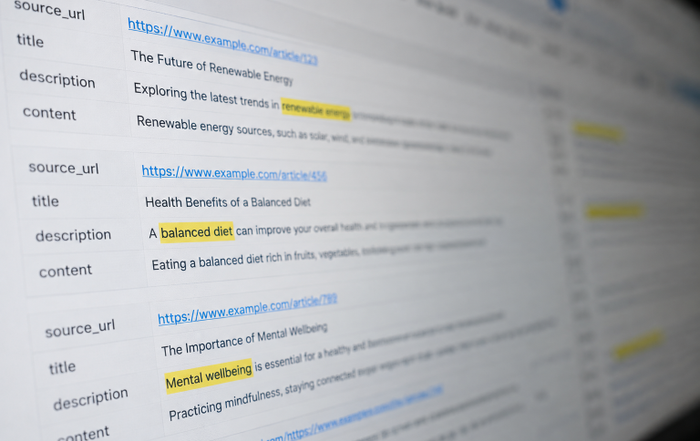
Key Takeaways Search, scraping, crawling, and extraction serve different stages [...]

Key Takeaways Build the supply plan around daily care tasks. [...]
How To Build A Practical Home Medical Supply Plan For Safer Daily Care In Sarasota, Florida
Medication Errors And Medical Malpractice Claims
Choosing the Right Care Setting for Common Health Concerns in Flemington, New Jersey