


A sports physical is also called a pre-participation physical examination (PPE), and it is a check-up to assess a child’s health and fitness for sports. This examination helps identify any conditions that might put your child at risk for injury while playing. Before the season begins, many schools and athletic organizations require this specific evaluation. Here is more information about sports physicals and what they are for:
Timing of Physicals
An ideal time to get a sports physical is about six to eight weeks before the sports season starts. This timeframe allows for follow-up appointments if any issues are found during the exam, and it gives doctors enough time to address them. In some cases, your state may require a new physical for each new season or school year. Your child’s school or league typically has specific deadlines, so checking their requirements is a good first step.
Standard times for physicals include:
- Late summer for fall sports
- Late fall for winter sports
- Early spring for spring sports
Sports Physicals Requirements
During sports physicals, a healthcare provider will typically review your child’s complete medical history. You will need to fill out a health history form before the appointment begins, which provides details about past illnesses, injuries, and family health conditions. The provider will ask about allergies, medications, and previous hospitalizations, and this helps them get a full picture of your child’s health.
The physical examination portion involves several checks. The provider will measure your child’s height and weight, and they will take blood pressure and pulse readings. A vision test is also a standard part of the exam. To do this, the provider will check your child’s heart, lungs, abdomen, ears, nose, and throat.
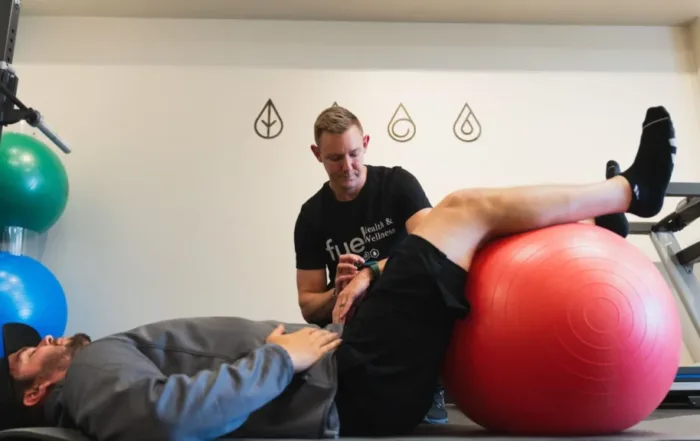
This exam also evaluates your child’s musculoskeletal system. The provider will check your child’s posture, joints, strength, and flexibility, because these areas are directly related to athletic activity. The goal is to detect any potential weaknesses or abnormalities; these might make your child more prone to injury during sports participation.
Benefits of Physicals
One of the main benefits of a sports physical is the opportunity to screen for underlying health problems. While the exam focuses on sports-related health, it may uncover conditions that need further attention. A provider might detect issues such as asthma, heart murmurs, or high blood pressure during the evaluation. Early detection allows for timely management, and this should occur before the condition becomes a larger problem.
Sports physicals also provide a chance to discuss health-related topics with your child’s provider. You can talk about nutrition and healthy lifestyle choices, which are relevant for any young athlete. This visit is a dedicated time to ask questions about your child’s growth and development, and these are separate from a routine check-up. This proactive approach supports your child’s overall well-being.
Schedule Sports Physicals Today
Completing a sports physical is a standard part of preparing for athletic competition, and this examination gives a baseline of your child’s health and clears them for safe participation. By scheduling this appointment in advance of the season, you prepare your child for their sport while addressing any health concerns. Contact a pediatrics clinic today to schedule your child’s sports physical.

Ongoing care with a sinus and nasal specialist is necessary [...]

Headaches are a common ailment affecting nearly everyone at some [...]

Aesthetics represents a specialized field dedicated to improving appearance and [...]
A sports physical is also called a pre-participation physical examination [...]
A breast exam performed by a qualified healthcare professional is [...]

Seborrheic keratosis is a noncancerous skin growth, and it typically [...]
Physical Health Exercises for Office Workers: Stay Fit at Your Desk
Ways to Improve Physical Health Naturally