


Dental emergencies happen unexpectedly, and an emergency dentist can relieve your severe pain. Seeking emergency dental care can help a provider address your pain and the direct cause of the symptoms. Emergency dentists offer services to treat teeth that are knocked out or broken, and they also treat infections that cause abscesses. Here is more information about questions to ask an emergency dental provider:
Identifying Dental Emergencies
An emergency dentist treats severe oral conditions that require immediate intervention. Some conditions, such as minor toothaches or chips that do not cause pain, may wait for normal business hours, true emergencies involve the following symptoms:
- Severe bleeding
- Knocked-out teeth
- Infection
- Major swelling
- Cracked or broken teeth
- Extreme dental pain
When bacteria invade the deep tissues of your mouth, the resulting infection requires antibiotics. A prompt evaluation prevents the decay from spreading, and the doctor will determine the treatment plan. Ask your provider about the root cause of the problem to better understand your condition and treatment.
Treating Knocked-Out Teeth
Prompt action can help save a knocked-out tooth. Find the missing tooth and pick it up by the chewing edge; never touch the roots of teeth. Because the roots are delicate, touching the bottom will damage the sensitive cells. Try to gently place the tooth back in its socket until you get treatment, or place the tooth in a small container filled with milk.
Ask your provider about reinsertion, and they will explain the exact procedure. Getting medical attention promptly increases the chances the provider can save the tooth. Dry environments kill tooth tissues.
The following actions maximize your chances of a successful reattachment:
- Rinse the tooth with milk, not water, to remove debris.
- Keep the tooth moist at all times.
- Seek medical help within 30 minutes to one hour.
- Bite down softly on gauze to stop the bleeding.
Treating Cracked Teeth
A deep crack exposes the sensitive inner pulp of your tooth. Once you notice a visible fracture, you may rinse your mouth with warm water. This action cleans the area, and a cold compress minimizes any facial swelling.
Ask your doctor about restorative crowns that strengthen weakened teeth. A broken tooth creates sharp edges inside your mouth, and you can cover these sharp edges with dental wax. The staff will likely take x-rays of the fracture to view the complete structure and the extent of the damage.
Seeking Immediate Care
Certain symptoms indicate the need for an immediate trip to the clinic. If you develop a fever alongside a toothache, you may have an infection. Abscesses spread bacteria throughout your body, and this condition creates severe complications. A prompt diagnosis prevents further decay and damage.
Learn More About Emergency Dentists
Because accidents happen quickly, you can protect your oral health by understanding the signs of a severe dental problem. Prompt action may increase your chances of saving a natural tooth, and open discussion with your provider enables them to treat your various symptoms. To learn more about emergency dental care, consult a dental provider near you.
- How Can RV Travelers Find a Peaceful, Full-Hookup RV Park Near Greenville? Shibby RV Living Offers a Simpler Stay
- How to Compare Search, Scraping, Crawling, and Extraction Tools for AI Agents
- How To Build A Practical Home Medical Supply Plan For Safer Daily Care In Sarasota, Florida
- Andrew Sorial: Why Psychiatrists Should Collaborate with Other Healthcare Providers
- Medication Errors And Medical Malpractice Claims

Key Takeaways Shibby RV Living is located in Woodruff, South [...]
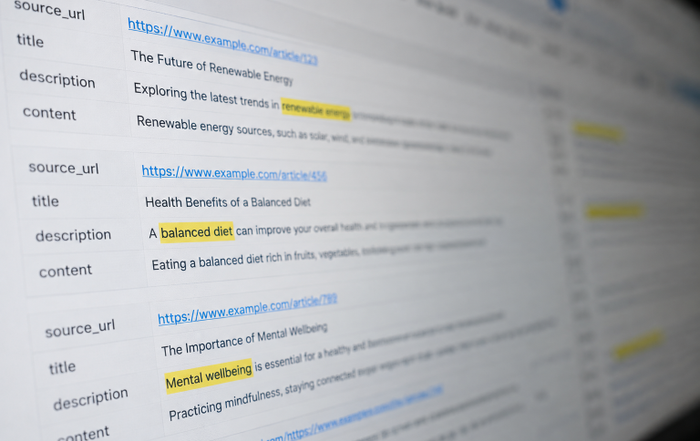
Key Takeaways Search, scraping, crawling, and extraction serve different stages [...]
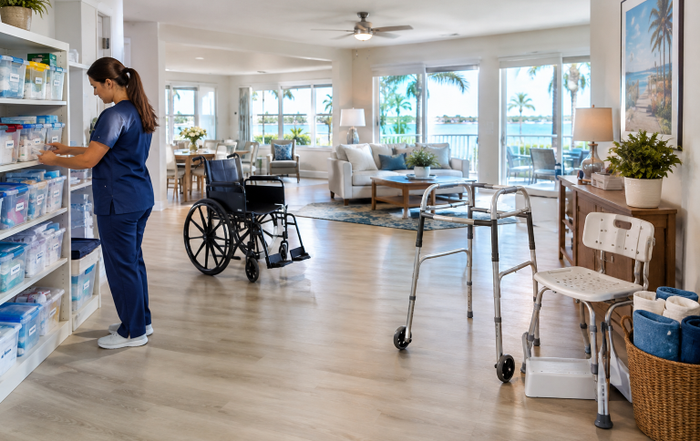
Key Takeaways Build the supply plan around daily care tasks. [...]
Andrew Sorial is a board-certified psychiatrist based in Boca Raton, [...]
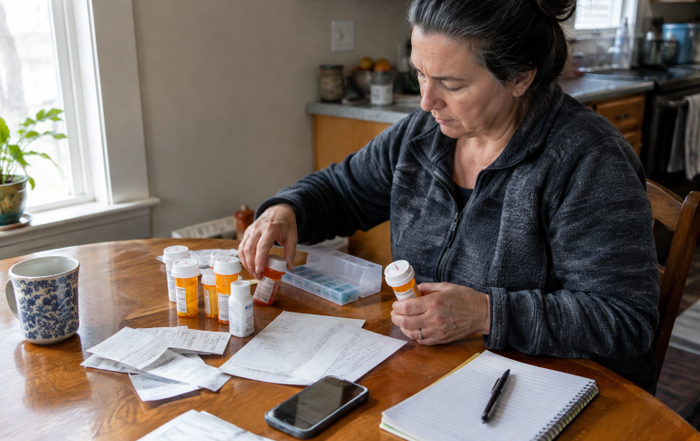
Key Takeaways Medication errors do not automatically establish medical malpractice, [...]
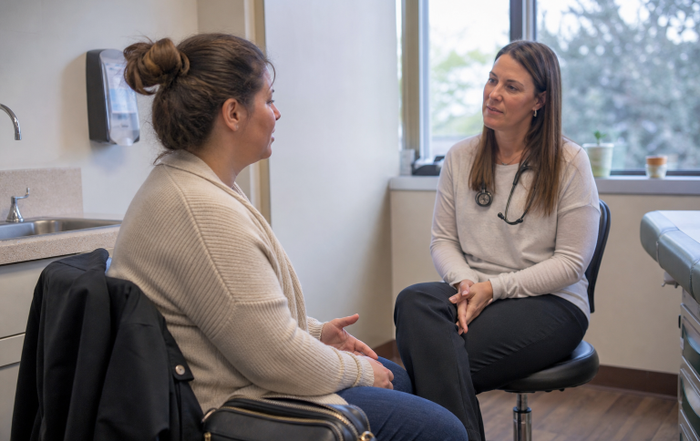
Key Takeaways Primary care is often the best starting point [...]
How To Build A Practical Home Medical Supply Plan For Safer Daily Care In Sarasota, Florida
Medication Errors And Medical Malpractice Claims
Choosing the Right Care Setting for Common Health Concerns in Flemington, New Jersey