


Key Takeaways
- Adopt a balanced diet filled with immune-supportive nutrients.
- Stay active with regular physical exercise.
- Prioritize sleeping well each night.
- Use effective stress reduction techniques.
- Keep up thorough personal hygiene practices.
- Drink plenty of fluids daily.
- Reduce or avoid harmful substances like alcohol and tobacco.
- Include probiotic foods for better gut and immune health.
Maintaining a strong immune system is foundational to living a healthy, resilient life. With our busy schedules and constant exposure to pathogens, making intentional lifestyle choices becomes even more important for maintaining robust immune defenses. While shortcuts do not exist in immune health, several habits can support your body. If you are seeking additional ways to support your immunity, you might find valuable options among immune system supplement suppliers, but foundational lifestyle practices are key. The immune system is a complex network that protects us from illness and infection. Everyday actions such as diet, sleep, exercise, and stress management can either strengthen or undermine your immune defenses. By making mindful choices in these areas, you take meaningful steps toward optimal wellness. Although there are many products and supplements on the market, evidence consistently shows that the most powerful “immune boosters” often come from our daily routines. Focusing on the fundamentals not only increases your defenses against illness but also supports your overall physical and mental well-being. Let’s explore practical strategies you can use to fortify your immune health and live well year-round. Understanding and implementing these habits is far more sustainable and effective than quick fixes.
1. Eat a Balanced Diet
A varied, colorful diet is the cornerstone of immune health. Fresh fruits, vegetables, whole grains, lean meats, fish, and legumes provide your body with essential vitamins and minerals. Vitamin C (found in citrus fruits, berries, and peppers) and zinc (found in nuts, seeds, and lean meats) are particularly well-known for their immune-enhancing properties. Additionally, foods high in vitamin D, such as fatty fish and fortified products, are crucial, especially during periods of reduced sunlight exposure. Nutritionists agree that a well-rounded diet is one of the most consistent and reliable ways to help your body fend off diseases. Fiber-rich foods also play a vital role in immune health by supporting a diverse gut microbiome. Legumes, oats, berries, and nuts not only keep your digestion running smoothly but also nourish good gut bacteria, which in turn help regulate immune responses. Try incorporating a mix of raw and cooked vegetables into your daily meals for the most nutrient variety. Eating seasonally and locally, when possible, may also give you an edge, as these foods are often richer in nutrients and free of preservatives. For scientific guidelines on healthy immunity, resources such as the CDC’s recommendations on preventing illnessprovide further information.
2. Engage in Regular Exercise
Moderate, consistent physical activity contributes significantly to immune function. Activities such as brisk walking, cycling, swimming, or yoga help circulate immune cells more effectively and reduce systemic inflammation. Experts recommend striving for at least 150 minutes of moderate exercise per week for optimal benefit. People who engage in regular exercise often experience a lower risk of chronic illnesses and have a stronger immune response overall. In addition to aerobic activity, incorporating resistance training, such as weightlifting or bodyweight exercises, helps build muscle, support bone health, and can even contribute to greater metabolic wellness. Group sports or fitness classes not only enhance your physical fitness but can boost your mood and social connections, further reducing stress (which benefits immunity). Remember to listen to your body and allow time for recovery, as over-training may actually increase vulnerability to illness.
3. Prioritize Quality Sleep
Quality sleep is essential to every aspect of health, especially immunity. Adults should aim for 7-9 hours of sleep per night to allow their bodies time to repair and regenerate. Inadequate rest lowers the production of protective immune proteins called cytokines, making you more susceptible to infections and slower to recover if you fall ill. To improve sleep quality, establish a regular bedtime routine, keep your sleep environment dark and cool, and limit screen time in the hour before bed. If you have difficulty winding down, calming activities like reading, taking a warm bath, or practicing gentle stretches may help ease the transition to restful sleep.
4. Manage Stress Levels
Chronic stress undermines the immune system’s ability to protect you. Engaging in relaxation techniques such as meditation, yoga, deep breathing, or taking time for enjoyable hobbies can significantly reduce stress and its negative effects on the body. Social support from friends and family also helps buffer stress and build emotional resilience. Mind-body practices, including mindfulness meditation or tai chi, have been shown in numerous studies to strengthen immune markers and lower inflammation. Even simple practices like spending time in nature or keeping a gratitude journal can profoundly benefit your outlook and biological stress responses.
5. Maintain Proper Hygiene
Practicing good hygiene, such as washing your hands thoroughly with soap and water, is one of the simplest yet most effective ways to reduce your risk of infection. Clean high-touch surfaces frequently and avoid sharing personal items with others. These habits limit your exposure to germs that could otherwise compromise immune health. Carrying hand sanitizer, covering coughs and sneezes, and practicing good oral hygiene further reduce the likelihood of infection. Parents should encourage children to adopt these habits early in life, laying the groundwork for lifelong immune resilience.
6. Stay Hydrated
Drinking adequate water every day is vital for numerous body functions, including the healthy flow of lymph, which transports immune cells throughout the body. The average adult should aim for about 8 cups, or 2 liters, of fluids per day, adjusting for activity level, age, and climate. Staying hydrated helps your body naturally eliminate toxins and function efficiently. Herbal teas, broths, and water-rich vegetables like cucumber or watermelon also contribute to your daily fluid intake. Remember, thirst is not always a reliable indicator. Make hydration a conscious habit, especially during hot weather or physical exertion.
7. Limit Alcohol and Avoid Smoking
Alcohol can negatively impact immune cells and disrupt gut microbiota, while smoking has an even more direct, harmful effect on lung health and immune response. Reducing or eliminating these substances allows your immune system to function at peak performance, making you less vulnerable to both acute and chronic illnesses. If you find it difficult to quit these habits on your own, professional support, counseling, or group programs can increase your chances of lasting success. Clear air and minimal toxins truly make a difference in how well your immune system can respond to everyday threats and challenges.
8. Consider Probiotics
Gut health and immune health are closely linked. Fermented foods like yogurt, sauerkraut, kimchi, and kefir provide beneficial bacteria that support a healthy gut microbiome. Adding these foods to your diet may help enhance your intestinal barrier and boost your natural defense mechanisms. Adopting these simple, well-researched lifestyle habits empowers you to build a more resilient immune system and a healthier life overall. Over time, these habits form the backbone of disease prevention and greater day-to-day vitality, reinforcing the connection between how you live and how protected you truly are.
Conclusion
A strong immune system is built through consistent, everyday lifestyle choices rather than quick fixes or shortcuts. By adopting a balanced diet rich in nutrients, engaging in regular physical activity, prioritizing quality sleep, and effectively managing stress, you create a solid foundation for long-term immune health. Simple habits such as maintaining good hygiene, staying properly hydrated, and avoiding harmful substances like alcohol and tobacco further strengthen your body’s natural defenses. Supporting gut health through probiotic foods also plays an important role in enhancing overall immunity. While supplements and products may offer additional support, they work best when combined with these essential habits. Ultimately, maintaining immune health is about commitment to a well-rounded, healthy lifestyle that supports both physical resilience and overall well-being year-round.
- How to Build a Men’s Shirt Rotation That Works All Year
- A Practical Checklist for Buying an Investment Property in Northwest Florida
- A Checklist for Choosing a Tooth Replacement Plan in Rapid City, SD
- How Can RV Travelers Find a Peaceful, Full-Hookup RV Park Near Greenville? Shibby RV Living Offers a Simpler Stay
- How to Compare Search, Scraping, Crawling, and Extraction Tools for AI Agents
A reliable shirt rotation makes getting dressed easier because each [...]

Buying an investment property in Destin, Fort Walton Beach, Niceville, [...]
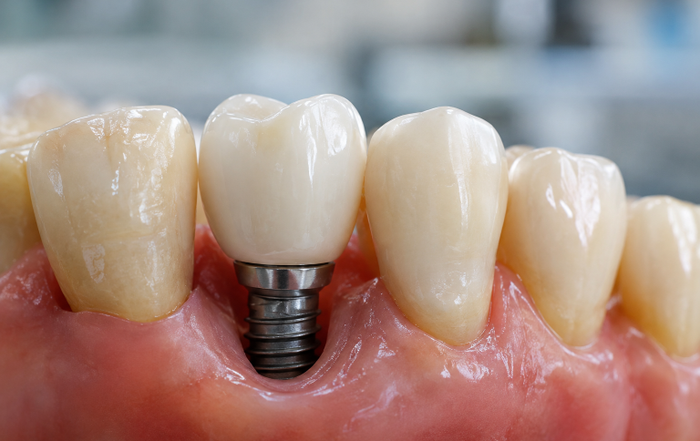
Replacing a missing tooth is not simply a matter of [...]

Key Takeaways Shibby RV Living is located in Woodruff, South [...]

Key Takeaways Search, scraping, crawling, and extraction serve different stages [...]

Key Takeaways Build the supply plan around daily care tasks. [...]
A Checklist for Choosing a Tooth Replacement Plan in Rapid City, SD
Andrew Sorial: Why Psychiatrists Should Collaborate with Other Healthcare Providers
What to Know Before Trying IV Vitamin Therapy