


An injury to the lower leg area may require proper medical attention, and a doctor can provide professional cleaning and stitching to promote proper recovery. Seek medical treatment when an ankle wound shows signs of infection, bleeds heavily, or causes severe pain. Early intervention in wound care helps restore your health and mobility. Here is more information about the healing process for various ankle wounds:
Causes of Ankle Wounds
An ankle wound can result from various everyday incidents, and these injuries range from superficial scrapes to deep tissue damage. Accidents create sudden trauma to the lower leg. Because the ankles support your entire body weight, they remain highly susceptible to accidental trauma. Structural damage happens during sports or simple stumbles.
Doctors see many variations of lower leg injuries in their clinics. Some common examples include:
- Puncture wounds from sharp objects.
- Traumatic fractures from sports collisions.
- Chronic ulcers stemming from underlying vascular diseases.
These varied causes dictate the recovery timeline, and a proper diagnosis directs the subsequent care plan. Some wounds may take longer than others to heal.
Healing of Ankle Cuts
Simple cuts require thorough cleaning to prevent infection, and a medical professional can apply sterile dressings to protect the area. As the body forms a scab, new tissue regenerates beneath the surface. Small lacerations close more rapidly than large ones, in general.
Healing of Compound Fractures
Severe breaks penetrate the skin barrier, so orthopedic surgeons intervene to align the bones and repair the soft tissue. A compound fracture takes weeks to months to heal. When surgeons place pins or plates, the surrounding skin requires specialized postoperative care. The medical team cleans the exposed bone thoroughly.
The bone remodeling phase overlaps with the skin’s closure process. Your body sends calcium to the break, and the surrounding tissues slowly knit back together. Physical therapy helps restore joint function after the initial healing phase concludes. As the bone hardens, the external incision heals under protective bandages.
Healing of Diabetic Ulcers
High blood sugar impairs circulation, and this reduced blood flow makes diabetic foot complications particularly challenging to manage. An ulcer forms when the skin breaks down from continuous pressure. Diabetics with nerve damage might not notice the initial injury immediately. This delay can cause a small wound to develop into an ulcer, which is painful and can get worse if left untreated.
Medical providers may offer debridement services to remove dead tissue, dirt, and bacteria from an ulcer so it can begin to heal. Doctors also use offloading techniques to remove pressure from the affected area. Special casts redistribute the patient’s weight, and this intervention allows the fragile tissue to regenerate.
Because chronic high blood glucose slows cellular repair, strict dietary management supports the local treatments. Hyperbaric oxygen therapy delivers rich oxygen to the starved tissues. The concentrated oxygen stimulates blood vessel growth, and the persistent ulcer slowly begins to close.
Learn More About Ankle Wounds
Understanding your injury empowers you to seek the right care, and timely medical intervention helps prevent minor issues from becoming severe infections. Medical intervention in the case of ankle wounds can be beneficial if you have symptoms of a deep cut, fracture, or diabetic ulcer. If you want to learn more about treatment for ankle wounds, consult a foot and ankle wound care specialist near you.
- How to Build a Men’s Shirt Rotation That Works All Year
- A Practical Checklist for Buying an Investment Property in Northwest Florida
- A Checklist for Choosing a Tooth Replacement Plan in Rapid City, SD
- How Can RV Travelers Find a Peaceful, Full-Hookup RV Park Near Greenville? Shibby RV Living Offers a Simpler Stay
- How to Compare Search, Scraping, Crawling, and Extraction Tools for AI Agents
A reliable shirt rotation makes getting dressed easier because each [...]

Buying an investment property in Destin, Fort Walton Beach, Niceville, [...]
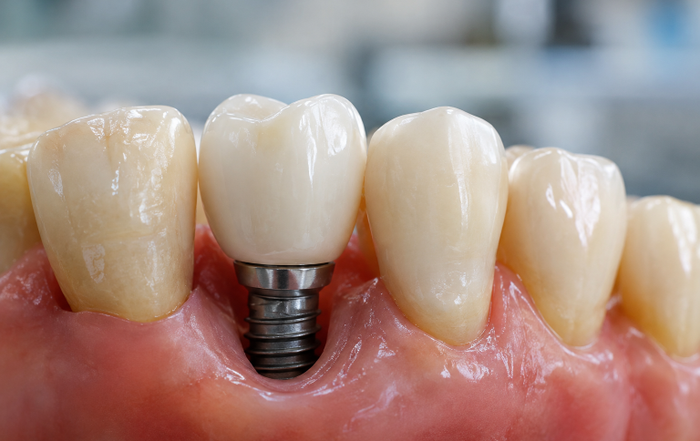
Replacing a missing tooth is not simply a matter of [...]

Key Takeaways Shibby RV Living is located in Woodruff, South [...]

Key Takeaways Search, scraping, crawling, and extraction serve different stages [...]

Key Takeaways Build the supply plan around daily care tasks. [...]
Modern Approaches to Spine Pain Relief
How Non-Invasive Technology Is Shaping Modern Weight Management
A Focus on Minimally Invasive Techniques in Orthopedic Surgery