


Key Takeaways
- Community-based living supports independence while providing daily structure and assistance when needed.
- Social engagement in these settings helps reduce isolation and improve emotional well-being.
- Access to regular activities, nutrition, and movement supports better physical health.
- Safety features and support services create a secure yet autonomous environment.
- Preventive care and ongoing monitoring help maintain long-term wellness and early detection of health concerns.
Table of Contents
- Physical Health Benefits
- Mental and Emotional Well-Being
- Social Connections and Community Engagement
- Promoting Independence and Autonomy
- Safety and Security
- Access to Resources and Services
- Preventive Care and Early Detection
- Conclusion
Community-based living creates an environment where adults can thrive independently, engage socially, and lead meaningful daily lives. In such supportive surroundings, individuals find resources tailored to their evolving needs, promoting wellness and reducing the risks of isolation. As more people seek options that offer both autonomy and connection, specialized adult foster care in Michigan has emerged as a valuable solution, ensuring adults receive comprehensive care without sacrificing their sense of self.
This living arrangement offers countless advantages, including easier access to health services, peer companionship, and opportunities to nurture both physical and mental health. Research shows that community involvement is directly linked to extended independence, lower rates of depression, and increased life satisfaction. With programs structured to match individual interests and abilities, residents can shape their own routines and foster lasting relationships.
Importantly, these communities are equipped with facilities that promote daily movement and encourage regular social interaction, another key factor in overall wellbeing. In addition, residents benefit from communal dining, which supports healthy nutrition and alleviates concerns about food insecurity or poor eating habits. These holistic measures form the foundation of a higher quality of life for many adults.
As interest in community-based care continues to grow, adults and their families are recognizing that this model not only offers support but also preserves dignity and individuality throughout every stage of adulthood.
Physical Health Benefits
Community living motivates adults to stay active through organized fitness programs, walking clubs, and on-site exercise equipment. Regular physical activity promotes healthy habits and directly reduces the risk of falls, a major concern among aging populations. Facilities encourage activities appropriate for a variety of ability levels, making participation easy and enjoyable. Moreover, shared meals designed by nutritionists help ensure residents meet their daily dietary requirements, counteracting challenges such as malnutrition or limited access to fresh foods. The Centers for Disease Control and Prevention underscore the importance of an active lifestyle and a balanced diet for reducing chronic disease risk and promoting longevity.
Mental and Emotional Well-Being
One of the greatest advantages of community-based living is the ease with which social bonds form. Loneliness and social isolation are serious health risks, leading to higher rates of depression, anxiety, and even cognitive decline. Group interactions, whether through structured events or informal gatherings, stimulate intellectual curiosity and emotional resilience. According to the National Institute on Aging, maintaining strong social networks is linked to better memory and mood stability. Scheduled activities, themed parties, and educational workshops cater to varied interests and help residents feel fulfilled and engaged.
Social Connections and Community Engagement
Close-knit community environments allow residents to forge deep, meaningful relationships. Daily opportunities for connection, such as volunteer projects, art classes, or discussion groups, foster a true sense of belonging. These bonds are essential in developing self-worth and happiness, acting as a buffer against life’s challenges. Residents are encouraged to take leadership roles, join committees, or spearhead group initiatives, which further bolster their confidence and sense of purpose. Engaging in community life also opens doors to new hobbies and lifelong learning, supporting holistic wellbeing and continuous growth.
Promoting Independence and Autonomy
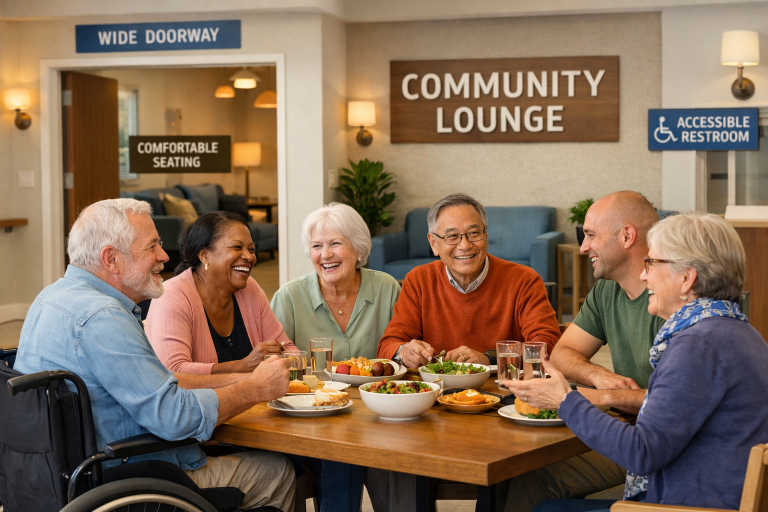
Community-based living does not strip away independence. Instead, it empowers adults by giving them the freedom to make consistent choices in their daily lives. Flexible schedules and personalized living spaces mean that each resident can maintain control over everything from sleep routines to mealtime preferences. This freedom is central to self-esteem and fosters continued growth. Families report greater peace of mind knowing their loved ones have assistance close at hand while preserving their agency and dignity.
Safety and Security
Many adults and their families prioritize safety when choosing a living environment. Community-based residences are intentionally designed with safety as a top priority. Features such as non-slip flooring, grab bars in bathrooms, wide doorways, and clearly marked exits help minimize the risk of accidents. Emergency alert systems and on-site staff further enhance residents’ security, providing reassurance that help is immediately available if needed.
Access to Resources and Services
Residents in community settings enjoy direct access to a wide variety of resources and amenities. On-premises offerings might include fitness centers, libraries, computer labs, beauty salons, and more. These amenities are designed to support diverse interests and needs, removing barriers to participation. Transportation services are also commonly offered, allowing residents to attend medical appointments, go shopping, or visit community attractions without stress. This comprehensive approach reduces isolation and ensures that every aspect of resident life is addressed.
Preventive Care and Early Detection
Proactive healthcare is a cornerstone of community-based living facilities. Regular health screenings, vaccination clinics, and wellness programs help identify potential health issues early and encourage prompt intervention. Timely detection and treatment decrease the likelihood of medical emergencies and hospitalizations. According to the Mayo Clinic, preventive care strategies are essential in managing chronic conditions and improving overall life expectancy. Educational sessions about healthy aging, nutrition, and mental health further empower residents to take control of their own wellness journeys.
Conclusion
Community-based living presents adults with a vibrant, supportive alternative to traditional care models. By focusing on holistic well-being, addressing residents’ physical, mental, and social needs, these settings pave the way for fulfilling, autonomous lives. Comprehensive services, enriched daily routines, and genuine connections help ensure that adults enjoy safety, security, and the freedom to live life on their own terms. As awareness expands, more families and individuals are considering these communities as a pathway to healthier, happier, and more balanced living.
- How Can RV Travelers Find a Peaceful, Full-Hookup RV Park Near Greenville? Shibby RV Living Offers a Simpler Stay
- How to Compare Search, Scraping, Crawling, and Extraction Tools for AI Agents
- How To Build A Practical Home Medical Supply Plan For Safer Daily Care In Sarasota, Florida
- Andrew Sorial: Why Psychiatrists Should Collaborate with Other Healthcare Providers
- Medication Errors And Medical Malpractice Claims

Key Takeaways Shibby RV Living is located in Woodruff, South [...]

Key Takeaways Search, scraping, crawling, and extraction serve different stages [...]
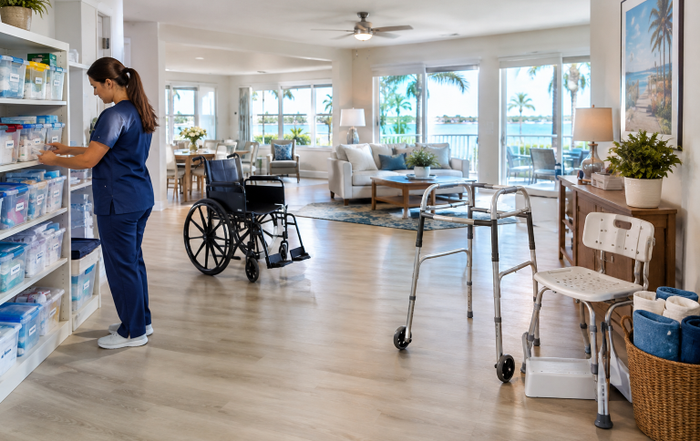
Key Takeaways Build the supply plan around daily care tasks. [...]
Andrew Sorial is a board-certified psychiatrist based in Boca Raton, [...]
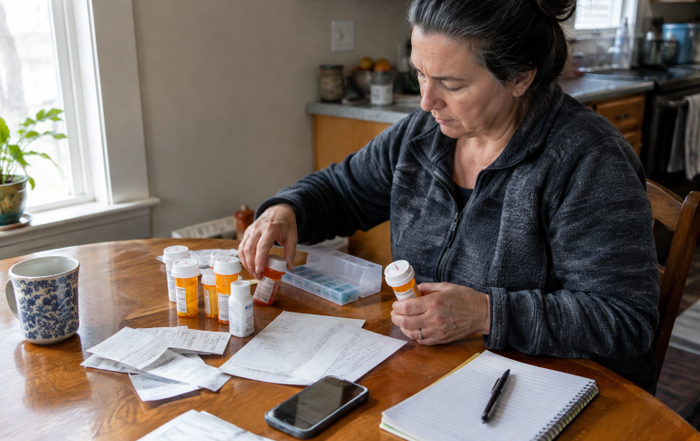
Key Takeaways Medication errors do not automatically establish medical malpractice, [...]
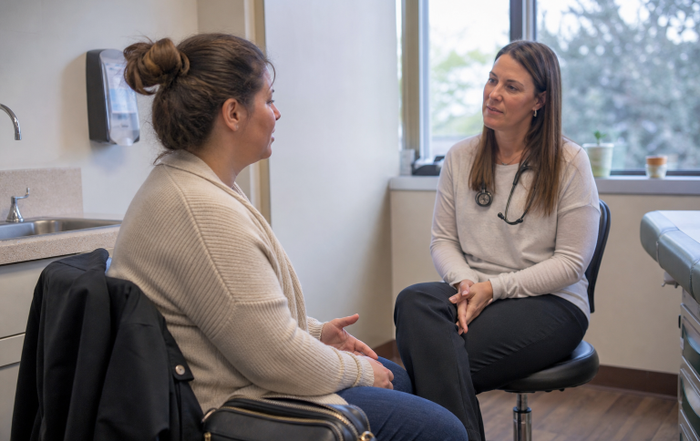
Key Takeaways Primary care is often the best starting point [...]
How To Build A Practical Home Medical Supply Plan For Safer Daily Care In Sarasota, Florida
Medication Errors And Medical Malpractice Claims
Choosing the Right Care Setting for Common Health Concerns in Flemington, New Jersey