


Key Takeaways
- Medication errors do not automatically establish medical malpractice, but detailed records can preserve important facts.
- A timeline should identify the drug involved, the dose, the instructions received, the symptoms, and the follow-up care.
- Families should retain prescription labels, pharmacy paperwork, discharge instructions, bills, portal messages, and relevant photographs.
- Short, factual notes are generally more useful than assumptions about why an error happened.
- Medical records and private health information should be stored securely and shared only when necessary.
Medication errors can be frightening because they may occur at many points in the care process, including prescribing, transcribing, dispensing, administering, or monitoring a drug. In Atlanta, where patients may move between hospitals, neighborhood pharmacies, specialty clinics, and rehabilitation providers, keeping a clear record can help a family understand what occurred and communicate more effectively about the patient’s needs.
When a medication-related injury raises concerns about possible negligence, an Atlanta medical malpractice law firm may review the facts and explain available options. The immediate priority, however, is always medical safety. Seek urgent care for serious symptoms, and do not stop, restart, or change a prescription without guidance from a qualified medical professional.
Why Documentation Matters After A Medication Injury
A medication problem can involve more than one provider or facility. A prescription may be written in one office, filled at a pharmacy, administered during a hospital stay, and monitored later by another clinician. Notes made close to the event can help preserve dates, instructions, symptoms, and treatment changes while memories are fresh. Patient and family observations can also identify gaps in care, which is why patients and family members can help identify them after a safety event.
First Steps After A Suspected Medication Error
Call emergency services or seek prompt medical help for severe symptoms such as trouble breathing, loss of consciousness, chest pain, seizures, serious bleeding, or sudden confusion. Bring the medication container, list of medicines, and discharge papers if available. Then record the basic facts:
- The date, approximate time, and location of the event.
- The medication name, strength, form, dose, and directions on the label.
- Who provided the medication or instructions, when known.
- The first symptoms observed and when they began.
- Instructions from doctors, nurses, pharmacists, or poison-control professionals.
Building A Clear Medication Timeline
A notebook, spreadsheet, or secure digital file can organize the sequence without requiring long daily entries. Start with the reason the medication was prescribed. Add the date it was ordered, filled, started, changed, missed, or discontinued. List each appointment, emergency visit, test, hospitalization, pharmacy contact, and follow-up call. For every entry, attach related documents when possible.
Use factual wording. “Received a bottle labeled 50 mg and took one tablet at 9 p.m.” is clearer than a conclusion about who was at fault. Also note whether symptoms improved, worsened, or remained unchanged after treatment.
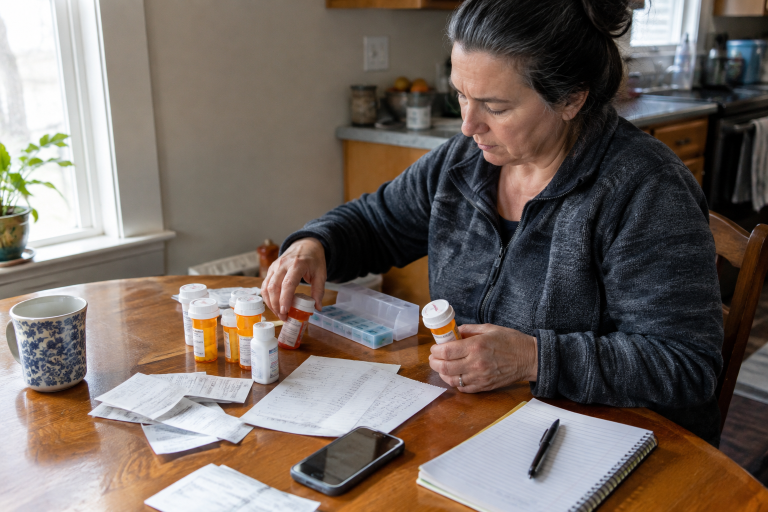
Medical Records And Daily-Life Changes To Preserve
Save emergency department records, discharge summaries, laboratory and imaging results, medication administration records when available, pharmacy receipts, prescription labels, and portal messages. Review documents for basic accuracy, including the patient’s name, dates, medications, dosages, allergy information, and symptoms. If a record appears to be incorrect, request a review or correction through the provider’s established records process rather than altering the document yourself.
Track the injury’s practical effects in short entries. Include sleep disruption, pain, dizziness, weakness, memory issues, missed school or work, driving limits, and help needed with bathing, meals, mobility, or household tasks. For example, “Needed assistance climbing apartment stairs after the clinic visit” provides a useful, specific description of a limitation.
Financial Records And Digital Evidence
Keep medical bills, co-pays, prescription costs, transportation receipts, parking expenses, pay stubs, missed-work records, and receipts for mobility tools or home assistance. Organize items by month or category, then maintain a simple list of out-of-pocket costs and lost income.
Photograph visible injuries only when appropriate, retain original image files, and label copies with the date and a brief description. Save relevant texts, emails, appointment notices, insurance letters, and patient-portal messages. Avoid posting accusations, private records, or injury images on social media, where they may be widely shared or misunderstood.
Documentation Mistakes To Avoid
- Waiting too long to write down symptoms or instructions.
- Guessing about a diagnosis, cause, or responsible person.
- Deleting messages, labels, photographs, or pharmacy paperwork.
- Combining multiple relatives’ health records in one file.
- Leaving unexplained gaps in medication use or follow-up care.
- Sending sensitive records through unsecured accounts or public websites.
Possible Medication Errors, Reporting, And Claims
A family does not need to determine immediately whether malpractice occurred. Focus first on what was expected, what actually happened, when symptoms began, questions asked, responses received, and the treatment that followed. Record names, job roles, departments, and written explanations when available.
For concerns involving a physician or other professional within its jurisdiction, the Georgia Composite Medical Board accepts consumer complaints. A regulatory complaint and a civil malpractice claim serve different purposes, so families should avoid assuming that one process replaces the other.
Frequently Asked Questions
How Much Should Be Recorded Each Day?
A few accurate notes about medication use, symptoms, treatment, limitations, and major changes are usually enough. Consistency matters more than length.
Should Records Be Kept On Paper Or Digitally?
Either method can work. Many families keep originals in labeled folders and maintain password-protected digital copies as a backup.
Can A Family Record Conversations With Medical Staff?
Recording rules can vary by location and circumstance. Check applicable Georgia law before making an audio or video recording.
Final Thoughts
Medication errors can leave Atlanta families managing urgent medical decisions, confusing records, and unexpected costs. Clear documentation cannot change what happened, but it can help preserve the facts, support ongoing care, and make later conversations about a possible medical malpractice claim more informed. Keep prescription labels, pharmacy receipts, discharge paperwork, and a dated timeline of symptoms and treatments. Note the names of providers involved and any explanations offered. Organized records help physicians understand what occurred and provide an attorney with a foundation for evaluating whether negligence may have played a role.
- Medication Errors And Medical Malpractice Claims
- Choosing the Right Care Setting for Common Health Concerns in Flemington, New Jersey
- Home Equity Borrowing: A Practical Scorecard for Rates, Fees, and Risk
- Small Daily Practices for Emotional Resilience and Well-Being in Nevada City, California
- Checklist for Comparing Tri-Valley Neighborhoods Before Buying in Pleasanton, California
Key Takeaways Medication errors do not automatically establish medical malpractice, [...]

Key Takeaways Primary care is often the best starting point [...]

Borrowing against your home can help fund a major renovation, [...]

Key Takeaways Emotional resilience is strengthened through small, repeatable choices. [...]

The right home starts with the right area. Before becoming [...]

Key Takeaways City Leaves serves Northfield-area adults from 2516 Fire [...]
Choosing the Right Care Setting for Common Health Concerns in Flemington, New Jersey
From Trigger To Choice: A Guide To Healthier Responses To Anger In Ottawa, Ontario
When Good Things Take First Place: A Practical Guide To Healthy Priorities