


Key Takeaways
- Scale weight reflects total mass, not just body fat.
- Water, food intake, digestion, and training recovery can change weight from day to day.
- Fat loss and muscle gain can occur at the same time, which may keep body weight relatively stable.
- Body composition tools provide estimates, so trends matter more than one isolated result.
- Testing under similar conditions makes results easier to compare.
- Progress is easier to judge when numbers are paired with real-world fitness and daily function.
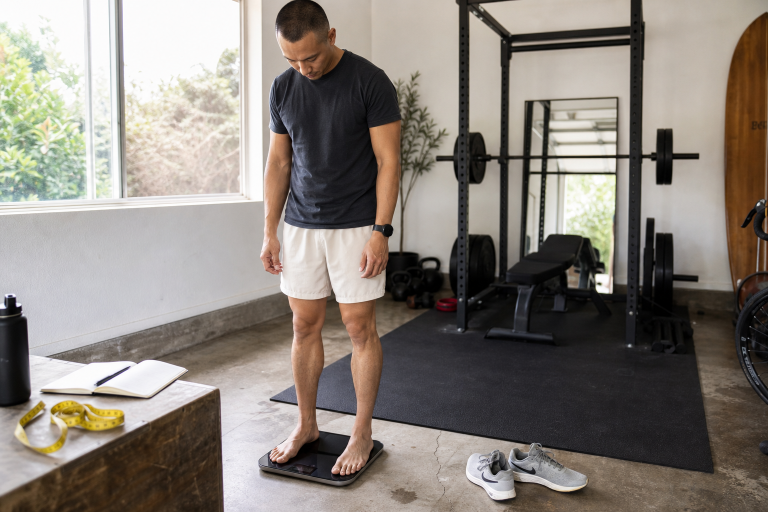
In Los Angeles, fitness progress can look different from one week to the next. A person may be lifting at a studio, walking the neighborhood, hiking local trails, or training near the beach, yet see little change on the scale. That does not automatically mean the routine is failing. A scale measures total body mass, while a body composition assessment can provide useful context on changes in body fat, lean tissue, and body measurements. The most useful approach is not to reject the scale, but to stop asking it to answer every question. Weight can be a helpful data point, especially when viewed over time. Still, strength, waist measurements, workout performance, recovery, clothing fit, and body composition estimates can create a more complete picture of progress.
Why Scale Weight Tells Only Part of the Story
A scale combines everything in the body into one number: fat, muscle, water, bone, organs, and the contents of the digestive system. Two Los Angeles residents can have the same height and body weight while having noticeably different builds, movement abilities, and training histories. BMI has a similar limitation because it does not separate fat mass from lean mass or indicate where fat is carried. Weight can hold steady while someone makes progress. That may happen when fat loss is paired with muscle gain, after a challenging strength workout causes temporary fluid shifts, or after a higher-sodium meal. A late dinner, a hard training session, poor sleep, changes in the menstrual cycle, and normal digestion can all affect a morning weigh-in.
What Body Composition Includes
Body Fat
Body fat percentage describes the proportion of total weight estimated to be fat mass. Body fat is necessary for normal function, so a healthy goal is not to eliminate it. Instead, the goal may be to understand whether a long-term plan is supporting the changes a person wants.
Lean Mass and Muscle Mass
Lean mass is a broad term for non-fat tissue. Depending on the device, it may include muscle, water, bone, organs, and connective tissue. Muscle mass is only one part of that category, which is why a single “muscle” reading should be interpreted carefully. Strength, balance, mobility, and confidence with daily tasks also matter.
Fat Distribution
Where body fat is carried can provide context that total weight alone cannot. Waist measurement is a simple, repeatable way to monitor changes around the midsection, while clinical and imaging tools may provide more detailed information when medically appropriate.
Common Ways to Measure Progress
No method is perfect for every goal or budget. The best option is usually one that can be repeated consistently.
- Scale weight: Fast, inexpensive, and useful for identifying broad trends.
- Waist measurement: Low-cost and helpful for tracking changes around the abdomen.
- Skinfold calipers: Can be practical, but results depend greatly on the tester’s technique.
- Bioelectrical impedance: Uses electrical resistance to estimate body composition and is common in home scales and fitness settings.
- DEXA: An imaging-based assessment that can estimate bone, fat, and lean tissue.
- Photos, clothing fit, and training logs: Personal markers that help numbers make sense.
Why Readings Change
Body composition readings are estimates, not permanent verdicts. Hydration can affect bioelectrical impedance results because water influences how electrical current moves through the body. For a clearer comparison, measure at a similar time of day, use the same device, follow a similar meal and hydration routine, and avoid testing immediately after intense exercise. One surprising reading does not prove sudden fat gain or muscle loss.
A Lower-Stress Tracking Dashboard
Rather than reacting to every weigh-in, use several markers and review them together over time:
- A weekly average of morning body weight.
- A monthly waist measurement taken at the same location.
- Body composition readings under repeatable conditions.
- Strength markers, such as repetitions, load, or walking pace.
- Notes on energy, sleep, soreness, and recovery.
- Progress photos in similar lighting and clothing.
- Changes in how everyday clothes fit.
A notebook or phone spreadsheet is enough. Record the date, measurements, training highlights, and anything unusual, such as travel, illness, an exceptionally hard workout, or a change in routine.
Measurements for Different Goals
For Fat Loss
Track weight trend, waist size, body composition estimates, hunger, energy, and training performance. A rapid drop on the scale is not automatically a better result, particularly if it comes with reduced energy or declining performance.
For Muscle Gain
Prioritize consistent resistance training, recovery, nutrition habits, strength progression, and repeated measurements over time. A modest increase in scale weight may be expected for some people, but the broader pattern matters more than a single number.
For General Health
Include mobility, walking tolerance, sleep, blood pressure when available, and regular medical care. Fitness data can support a conversation with a qualified healthcare professional, but it cannot replace individualized medical guidance.
A Simple Monthly Progress Plan
- Choose two or three measures.Match them to the goal, budget, and comfort level.
- Create a schedule. Weigh weekly or more often if it feels neutral, while taking waist and body composition measurements monthly.
- Keep conditions similar. Record time of day, device, and relevant routine changes.
- Review four to eight weeks of data.Look for direction and consistency before changing a training or nutrition plan.
Frequently Asked Questions
Can body weight stay the same during fat loss?
Yes. Fat loss may occur alongside muscle gain, increased water retention, or normal digestive changes. That is why waist measurements, performance, and longer-term trends can be useful companions to weight on the scale.
Are home body fat scales accurate?
They can be useful for following broad trends when used consistently. Their estimates can shift with hydration and testing conditions, so treat the displayed body fat percentage as an estimate rather than a diagnosis.
Should someone stop using a scale?
Not necessarily. The scale can remain useful when it is just one data point. Anyone who finds weighing stressful may prefer less frequent checks or may focus more on measurements, strength, mobility, and how they feel.
Conclusion
Fitness progress in Los Angeles rarely moves in a straight line. The scale can provide useful information, but it cannot show the whole story. Pair body weight with waist size, body composition trends, strength, recovery, and everyday function to build a clearer and more patient view of progress. Changes in water retention, meal timing, sodium intake, activity levels, and other short-term factors can affect body weight from one day to another, so looking at trends over time can provide more useful context than focusing on a single measurement. Improvements in lifting ability, walking endurance, energy levels, mobility, or how clothing fits may also indicate changes that are not immediately reflected on the scale. Keeping simple records can help identify patterns without making daily measurements the focus. The goal is to use several practical indicators to understand how your routine is working and make reasonable adjustments when needed.
- How Can RV Travelers Find a Peaceful, Full-Hookup RV Park Near Greenville? Shibby RV Living Offers a Simpler Stay
- How to Compare Search, Scraping, Crawling, and Extraction Tools for AI Agents
- How To Build A Practical Home Medical Supply Plan For Safer Daily Care In Sarasota, Florida
- Andrew Sorial: Why Psychiatrists Should Collaborate with Other Healthcare Providers
- Medication Errors And Medical Malpractice Claims

Key Takeaways Shibby RV Living is located in Woodruff, South [...]

Key Takeaways Search, scraping, crawling, and extraction serve different stages [...]

Key Takeaways Build the supply plan around daily care tasks. [...]
Andrew Sorial is a board-certified psychiatrist based in Boca Raton, [...]

Key Takeaways Medication errors do not automatically establish medical malpractice, [...]

Key Takeaways Primary care is often the best starting point [...]
Andrew Sorial: Why Psychiatrists Should Collaborate with Other Healthcare Providers
What to Know Before Trying IV Vitamin Therapy
How Families Can Compare Short-Term Rehabilitation Options After a Hospital Stay