


Key Takeaways
- Anger is a normal emotion, but harmful reactions can damage trust and relationships.
- Early physical, mental, and behavioral signs can create time to respond differently.
- A brief pause, slow breathing, and direct language can reduce the chance of escalation.
- Anger may be connected to hurt, stress, fear, exhaustion, or feeling unheard.
- Support can be important when anger feels frequent, unsafe, or difficult to manage alone.
Ottawa life can move quickly. A stressful commute across the city, a packed workday, family demands, or a tense online exchange can leave little room to reset. Anger may arrive suddenly, but the reaction that follows does not have to be automatic. People who want structured local support can book Ottawa Anger Management and build practical skills for everyday situations. Healthy anger management is not about pretending nothing is wrong. It is about recognizing that something matters, then choosing an action that protects your values, safety, and relationships. A calmer response can still include a firm boundary, a clear disagreement, or a request for a change.
Why Anger Can Feel So Fast
Anger often brings physical activation before a person has fully considered what to say. You might notice a tight jaw, tense shoulders, a racing heart, shallow breathing, flushed cheeks, or clenched fists. Fast thoughts can add momentum, especially ones like “They did that on purpose,” “Nobody listens to me,” or “I have to win this.” Emotional regulation means noticing an emotion and choosing a response that fits the situation, rather than trying to become emotionless. The ability to notice, understand, and respond to emotions can be strengthened through practice.
Spot The Early Warning Signs
Before choosing a coping tool, identify your personal warning signs. They may appear in several areas:
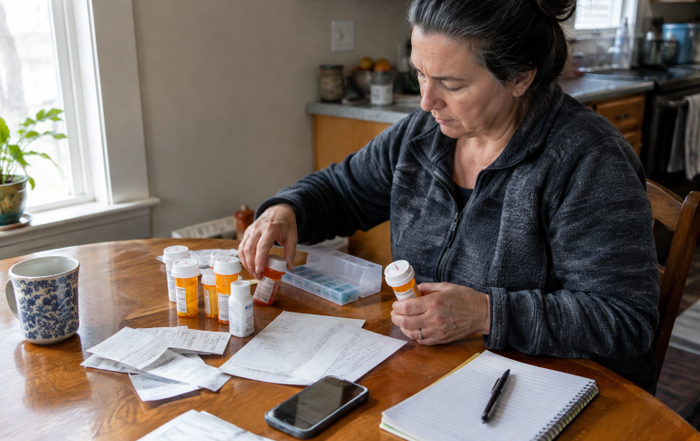
A candid, photorealistic documentary-style lifestyle photo of an Ottawa resident sitting quietly at a kitchen table after a stressful moment, taking slow breaths with one hand resting on their chest, natural window light, an ordinary lived-in home, subtle tension and reflection, unposed and genuine.
- Body: Pressure in the chest, shaking, heat, clenched fists, or muscle tension.
- Thoughts: Harsh judgments, blame, revenge fantasies, or replaying an argument.
- Speech: A louder voice, sarcasm, threats, interruptions, or rushed words.
- Actions: Slamming doors, sending angry texts, aggressive driving, or abruptly walking away.
For example, during a disagreement at work, someone may notice a hot face and a tight chest before they raise their voice. Naming those signs internally, such as “I am getting activated,” creates a small but valuable opportunity to pause rather than send a message they may regret.
The Pause Between Feeling And Action
A pause is not avoidance, denial, or surrender. It is a practical way to give your thinking mind time to catch up with the emotional surge.
A Simple Four-Step Pause
- Stop: Put down the phone, stop talking, or step away safely.
- Breathe: Take several slower breaths, with a slightly longer exhale.
- Name: Identify the feeling: angry, hurt, overwhelmed, embarrassed, or afraid.
- Choose: Speak calmly, request time, set a boundary, or agree to return later.
Find The Feeling Beneath The Anger
Anger can sometimes cover another difficult feeling. A parent who snaps after a long Ottawa winter day of work, errands, and childcare may later recognize that exhaustion and lack of support were the deeper issues. Asking a few questions can shift the focus:
- What happened just before I became angry?
- What did that moment seem to mean to me?
- What do I need right now?
- What result do I want from this conversation?
Use Clearer Words During Conflict
Clear language can lower tension without minimizing your needs. Replace broad accusations with a specific description, feeling, and request.
- Instead of, “You never care about what I say,” try, “I felt ignored when the conversation ended before I finished.”
- Instead of, “You are making me furious,” try, “I am too upset to discuss this well. I need ten minutes, and I will come back to it.”
Use a steady tone when possible, describe one concrete issue, and listen for the other person’s meaning rather than preparing the next attack. If someone is acting unsafely, creating distance and ending the interaction may be the right choice.
Build A Personal Anger Plan
- List common triggers, such as criticism, delays, noise, unfairness, conflict, hunger, or poor sleep.
- Write down your earliest body, thought, speech, and action signals.
- Choose safe exits, such as a walk around the block, a quiet room, or time away from a screen.
- Select calming tools, including paced breathing, stretching, grounding, journaling, or music.
- Plan how you will return to the issue, including a realistic time to talk again.
Daily Habits That Lower Reactivity
Daily habits do not remove every trigger, but they can reduce the pressure behind an intense reaction. Protect sleep where possible, eat and hydrate regularly, move your body, take breaks from stressful news or online conflict, and limit alcohol or substances that may weaken impulse control. Short breathing or mindfulness practices are often easier to use during conflict when they have already become familiar.
What Current Research Says
Research on emotion regulation and aggression has grown substantially, with studies showing that emotion-regulation difficulties and less helpful strategies are associated with higher aggression. This does not mean anger makes someone aggressive. It does suggest that skills involving impulse control and more constructive responses may support safer choices.
When Anger Needs More Support
Extra support may be useful if anger leads to threats, intimidation, violence, property damage, repeated conflict, shame, isolation, or harm to important relationships. It may also help when anger feels impossible to control or appears alongside trauma, anxiety, depression, substance use, or severe stress. If there is an immediate risk that someone may be harmed, leave the situation if possible and contact local emergency services or a crisis resource.
Common Questions About Anger Responses
Does Managing Anger Mean Hiding It?
No. Healthy management means expressing concerns without causing harm or letting those feelings control your behavior.
How Long Should A Time-Out Last?
Take enough time to regain control, then clearly state when you will return to the conversation. A time-out should not be used to punish or frighten another person.
Can Breathing Help?
Slow breathing can help settle physical arousal for some people. It is most useful when practiced in both calm and stressful moments.
A Practical Seven-Day Practice
- Day One: Track three triggers.
- Day Two: Notice physical warning signs.
- Day Three: Practice slow breathing for two minutes.
- Day Four: Turn one blame statement into a direct request.
- Day Five: Use a planned pause during a minor disagreement.
- Day Six: Identify the feeling beneath one angry reaction.
- Day Seven: Keep one skill that helped and practice it again.
Conclusion
Anger can be fast, but change often begins with one small pause. By noticing warning signs, identifying deeper feelings, and communicating directly, Ottawa residents can build more control in difficult moments. Recognizing physical and emotional signals, such as muscle tension, a faster heartbeat, frustration, or the urge to react immediately, can create an opportunity to step back before responding. Simple strategies such as taking a few slow breaths, briefly stepping away from a stressful situation when appropriate, writing down thoughts, or choosing a calmer time to continue a conversation may also make difficult situations easier to manage. It can be helpful to consider what triggered the reaction and whether the anger is connected to stress, disappointment, feeling unheard, or another underlying concern. Progress may be uneven, but each thoughtful choice strengthens the next one. When anger becomes frequent, difficult to control, or disruptive to relationships and daily responsibilities, seeking support from a qualified mental health professional may provide additional strategies for managing it.
- How Can RV Travelers Find a Peaceful, Full-Hookup RV Park Near Greenville? Shibby RV Living Offers a Simpler Stay
- How to Compare Search, Scraping, Crawling, and Extraction Tools for AI Agents
- How To Build A Practical Home Medical Supply Plan For Safer Daily Care In Sarasota, Florida
- Andrew Sorial: Why Psychiatrists Should Collaborate with Other Healthcare Providers
- Medication Errors And Medical Malpractice Claims

Key Takeaways Shibby RV Living is located in Woodruff, South [...]

Key Takeaways Search, scraping, crawling, and extraction serve different stages [...]

Key Takeaways Build the supply plan around daily care tasks. [...]
Andrew Sorial is a board-certified psychiatrist based in Boca Raton, [...]
Key Takeaways Medication errors do not automatically establish medical malpractice, [...]

Key Takeaways Primary care is often the best starting point [...]
How To Build A Practical Home Medical Supply Plan For Safer Daily Care In Sarasota, Florida
Medication Errors And Medical Malpractice Claims
Choosing the Right Care Setting for Common Health Concerns in Flemington, New Jersey