


Key Takeaways
- Primary care is often the best starting point for preventive visits, medication reviews, stable symptoms, and ongoing conditions.
- Urgent care can be a practical option for minor illnesses and injuries that need prompt attention but are not life-threatening.
- Call 911 or go to an emergency department for severe, sudden, or rapidly worsening symptoms.
- Virtual care, a nurse line, or a primary care office may help with mild concerns when an in-person exam is not immediately necessary.
- When in doubt, it is safer to seek professional medical guidance than to wait for symptoms to worsen.
Whether you are managing a child’s sore throat before school, a twisted ankle after a walk near Flemington, or a medication concern that arises after regular office hours, choosing the right type of care can be difficult. A local walk in clinic Flemington, NJ, residents can access may be useful for certain prompt, non-emergency needs, but it is not the right choice for every symptom. The best setting depends on what is happening, how quickly it started, whether symptoms are worsening, and whether there are warning signs of a medical emergency. Cost, convenience, and a shorter drive can matter, but they should never outweigh the need for emergency help when a condition may be life-threatening.
Why the Care Setting Matters
Primary care offices, urgent care centers, virtual services, and emergency departments serve different roles. Selecting the appropriate place can help you receive care at the right speed and with the right level of testing, monitoring, and treatment. If symptoms are unclear, a call to your primary care office, insurer nurse line, or virtual care provider may help determine the next step. For severe illness or injury, emergency medical services are designed for immediate help. Life-threatening problems require emergency medical services, rather than a wait-and-see approach or a routine office appointment.
When Primary Care Is the Best Choice
A primary care provider is usually the best home base for routine and continuing health needs. Because this team can review your health history, current medications, prior test results, and treatment plans, it is often well-positioned to coordinate care over time.
- Annual wellness visits, preventive screenings, and vaccinations
- Medication refills, side effects, and non-urgent prescription questions
- Ongoing care for asthma, diabetes, high blood pressure, or similar conditions
- Mild symptoms that are stable and not becoming more severe
- Health counseling, referrals, and follow-up after an illness or injury
For Flemington-area families balancing work commutes, school schedules, and caregiving responsibilities, scheduling routine care before a concern becomes urgent can make decisions easier later. Primary care is especially valuable when symptoms keep returning or when several health concerns need to be considered together.
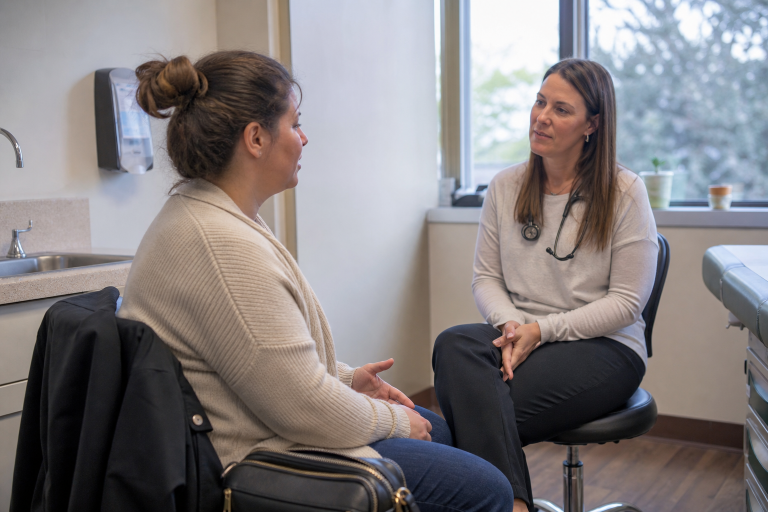
When Urgent Care Makes Sense
Urgent care is intended for problems that should be evaluated soon but do not appear to threaten life or limb. It can be helpful when a primary care appointment is not available promptly, such as in the evenings or on weekends. However, services differ by location, so it is wise to call ahead when possible.
Examples of concerns that may fit urgent care
- Minor cuts that may need cleaning or closure
- Sprains, strains, and possible minor fractures
- Sore throats, ear pain, cold symptoms, or flu-like illness
- Mild rashes, insect bites, and minor skin concerns
- Urinary symptoms without severe pain, fever, confusion, or other warning signs
- Minor burns and low-risk vomiting or diarrhea
Some facilities may offer X-rays, rapid tests, basic laboratory services, wound care, or splints, while others may not. Ask whether the location caters to your age group and offers the services needed for your specific concern.
When to Choose Emergency Care
Call 911 or go to the nearest emergency department for severe, sudden, or rapidly worsening symptoms. Do not drive yourself if you may be having a life-threatening emergency.
- Chest pain, pressure, or other possible signs of a heart attack
- Severe trouble breathing or blue or gray lips
- Loss of consciousness, a seizure, or sudden severe confusion
- Uncontrolled bleeding, major burns, serious injuries, or an open fracture
- Suspected poisoning, overdose, or severe allergic reaction with swelling or breathing problems
- Sudden severe abdominal pain
Stroke symptoms also need immediate emergency care. The sudden weakness, facial drooping, speech difficulty, vision changes, or balance problems linked to stroke should prompt a 911 call, even if symptoms improve after a short time.
A Quick Decision Guide
- Look for emergency warning signs.Severe breathing trouble, chest pressure, stroke symptoms, uncontrolled bleeding, unconsciousness, or a major injury means 911 or the emergency department.
- Consider timing and severity. A prompt but non-life-threatening illness or injury may fit urgent care. Stable or ongoing concerns may be appropriate for primary care.
- Confirm available services. Before leaving home, check hours, age limits, appointment requirements, testing capabilities, and insurance details when time allows.
Common Health Examples
- A sore throat on a weekday: Start with primary care if a timely appointment is available. Urgent care may be reasonable if testing or an exam is needed sooner.
- A twisted ankle: Urgent care may be appropriate if the person can move safely and there is no major deformity, uncontrolled pain, or numbness.
- Sudden chest pressure: Call 911. Do not wait for an urgent care opening.
- A medication question: Contact the prescribing clinician, pharmacist, or primary care team when there are no serious symptoms.
- A minor cut: Apply direct pressure with a clean cloth. Seek prompt evaluation if bleeding will not stop, the wound is deep, or it may need closure.
What to Bring to a Visit
Preparation can help the care team make faster, safer decisions. Bring a photo ID, insurance information, a list of medicines and supplements, known allergies, relevant records if available, and notes about when symptoms began. Home temperature readings, photos of a changing rash, and recent test results may also be useful. Preparation should never delay emergency care.
Why Follow-Up Care Matters
Urgent care can address an immediate concern, but it may not replace long-term medical care. Follow up with your regular provider when instructed, when test results need review, when medications were started or changed, or when symptoms persist, return, or worsen. Continuity of care helps a provider recognize patterns and adjust a plan as your needs change.
Questions to Ask Before You Go
- Is the location open and accepting patients?
- Does it evaluate this illness, injury, or age group?
- Are X-rays, lab tests, or rapid tests available?
- Should an appointment be made first?
- What medical information should be brought?
- What should happen if symptoms worsen before or after the visit?
Conclusion
For people in Flemington and surrounding Hunterdon County communities, choosing the right care setting starts with an honest assessment of how urgent the health concern may be. Primary care is generally suited to long-term wellness, preventive services, routine checkups, and stable or ongoing health concerns that can be managed through regular follow-up. Urgent care can help address many minor illnesses, injuries, and other non-life-threatening problems that require timely attention but do not appear to require emergency treatment. Emergency departments and 911 are intended for serious or potentially life-threatening symptoms, particularly when a condition is sudden, severe, or rapidly worsening. When the appropriate level of care is unclear, patients should not ignore concerning symptoms simply because they are uncertain about where to go. Seeking timely guidance from a healthcare professional can help clarify the next appropriate step and may prevent unnecessary delays in evaluation or treatment. Understanding these differences in advance can also make it easier to respond calmly when an unexpected illness or injury occurs.
- Medication Errors And Medical Malpractice Claims
- Choosing the Right Care Setting for Common Health Concerns in Flemington, New Jersey
- Home Equity Borrowing: A Practical Scorecard for Rates, Fees, and Risk
- Small Daily Practices for Emotional Resilience and Well-Being in Nevada City, California
- Checklist for Comparing Tri-Valley Neighborhoods Before Buying in Pleasanton, California
Key Takeaways Medication errors do not automatically establish medical malpractice, [...]
Key Takeaways Primary care is often the best starting point [...]

Borrowing against your home can help fund a major renovation, [...]

Key Takeaways Emotional resilience is strengthened through small, repeatable choices. [...]

The right home starts with the right area. Before becoming [...]

Key Takeaways City Leaves serves Northfield-area adults from 2516 Fire [...]
Medication Errors And Medical Malpractice Claims
From Trigger To Choice: A Guide To Healthier Responses To Anger In Ottawa, Ontario
When Good Things Take First Place: A Practical Guide To Healthy Priorities