


Andrew Sorial is a board-certified psychiatrist based in Boca Raton, Florida, who practiced with Boca Raton Psychiatry from 2019 to 2026. During his tenure there, he conducted comprehensive psychiatric evaluations and developed individualized treatment plans for patients experiencing depression, anxiety, mood disorders, and post-traumatic stress, while collaborating with therapists, nurses, and social workers to support holistic care. He earned his medical degree from Ross University School of Medicine in 2010 and completed his psychiatry residency at Larkin Community Hospital, where he later chaired the Psychiatry Didactics Committee. Earlier in his career, Dr. Sorial contributed to clinical research at the Miami VA Healthcare System and Cleveland Clinic Florida. Board-certified by the American Board of Psychiatry and Neurology and a fellow of the American Psychiatric Association and the Florida Psychiatric Society, his multidisciplinary approach to patient care reflects the collaborative model explored in the following discussion of psychiatric practice.
Psychiatric care is an important part of overall healthcare because mental health can influence nearly every aspect of a person’s physical and emotional well-being. While psychiatrists specialize in diagnosing and treating mental health conditions, working closely with other healthcare providers can create a more comprehensive approach to patient care. Collaboration between psychiatrists, primary care physicians, psychologists, nurses, specialists, and other professionals can improve communication, support earlier intervention, and help patients receive more coordinated treatment.
One of the primary reasons psychiatrists should work with other healthcare providers is the strong connection between mental and physical health. Conditions such as depression, anxiety, and substance use disorders can affect sleep, appetite, energy levels, and adherence to medical treatment.
At the same time, chronic physical conditions such as diabetes, cardiovascular disease, cancer, and chronic pain can contribute to psychological distress. When providers communicate with one another, they can consider these interconnected factors rather than treating mental and physical health as completely separate concerns.
Primary care providers are often among the first professionals patients approach when experiencing symptoms such as fatigue, insomnia, changes in appetite, difficulty concentrating, or unexplained physical complaints. A psychiatrist can provide specialized expertise when these symptoms may be associated with a psychiatric condition. By establishing effective referral and communication processes, healthcare teams can help patients receive appropriate evaluations and treatment sooner.
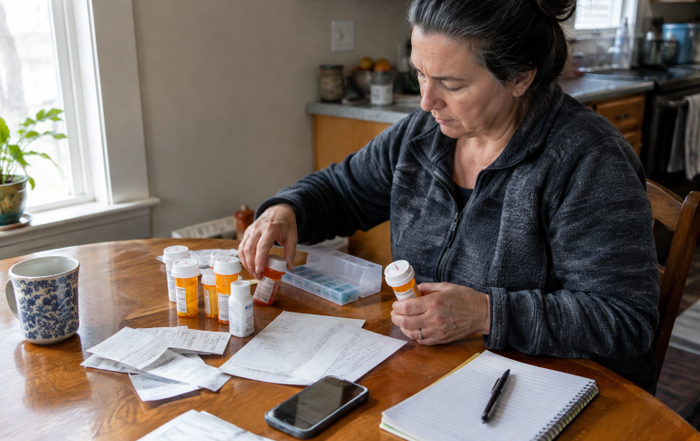
Patients with psychiatric conditions may take antidepressants, antipsychotics, mood stabilizers, or other medications while also receiving treatment for physical conditions. Some medications can interact with one another or produce side effects that affect a patient’s overall health.
Collaboration between psychiatrists and other prescribing clinicians can help the healthcare team review medications, monitor potential interactions, and make treatment decisions based on the patient’s complete medical history.
Living with a long-term condition can be emotionally challenging, particularly when symptoms interfere with work, relationships, finances, or daily activities. A psychiatrist can help address depression, anxiety, adjustment difficulties, or other mental health concerns that may make it harder for a patient to manage their physical condition.
Supporting mental health may consequently help patients remain engaged with their broader treatment plans.
A person may simultaneously require psychiatric care, primary care, specialty medical treatment, counseling, and social support. Without communication between providers, important information can become fragmented.
Different clinicians may have incomplete understandings of the patient’s treatment history, potentially creating unnecessary duplication or conflicting recommendations. A coordinated approach allows providers to share relevant information and develop treatment goals that complement one another.
Psychiatrists can also contribute valuable expertise to multidisciplinary healthcare teams. Their knowledge of psychiatric diagnosis, behavioral health, psychopharmacology, and crisis management can help other providers better understand the psychological factors affecting their patients.
In turn, physicians and specialists can provide psychiatrists with information about physical conditions, laboratory findings, medications, and other medical considerations that may influence psychiatric treatment.
Most importantly, collaboration can create a more patient-centered healthcare experience. Instead of requiring patients to navigate disconnected healthcare systems on their own, coordinated providers can work toward shared objectives.
Patients may feel more supported when their healthcare professionals communicate and recognize how different aspects of their health influence one another.
Psychiatrists therefore have an important role not only as specialists in mental health but also as members of broader healthcare teams. By working closely with primary care physicians, specialists, psychologists, nurses, pharmacists, and other providers, psychiatrists can help ensure that mental health is incorporated into comprehensive patient care.
About Andrew Sorial
Dr. Andrew Sorial is a board-certified psychiatrist based in Boca Raton, Florida, who practiced with Boca Raton Psychiatry from 2019 to 2026, focusing on psychopharmacology and personalized treatment planning. He earned his medical degree from Ross University School of Medicine and completed his psychiatric residency at Larkin Community Hospital, where he chaired the Psychiatry Didactics Committee. He is board-certified by the American Board of Psychiatry and Neurology and is a fellow of the American Psychiatric Association and the Florida Psychiatric Society.
- How Can RV Travelers Find a Peaceful, Full-Hookup RV Park Near Greenville? Shibby RV Living Offers a Simpler Stay
- How to Compare Search, Scraping, Crawling, and Extraction Tools for AI Agents
- How To Build A Practical Home Medical Supply Plan For Safer Daily Care In Sarasota, Florida
- Andrew Sorial: Why Psychiatrists Should Collaborate with Other Healthcare Providers
- Medication Errors And Medical Malpractice Claims

Key Takeaways Shibby RV Living is located in Woodruff, South [...]

Key Takeaways Search, scraping, crawling, and extraction serve different stages [...]

Key Takeaways Build the supply plan around daily care tasks. [...]
Andrew Sorial is a board-certified psychiatrist based in Boca Raton, [...]
Key Takeaways Medication errors do not automatically establish medical malpractice, [...]

Key Takeaways Primary care is often the best starting point [...]
What to Know Before Trying IV Vitamin Therapy
Why Scale Weight Can Mislead: A Los Angeles, California Guide to Tracking Fat, Muscle, and Fitness Progress
How Families Can Compare Short-Term Rehabilitation Options After a Hospital Stay