


Living with chronic pain can feel overwhelming, impacting every aspect of daily life. However, by applying a variety of pain management strategies, you can regain more control and create a path toward better health and well-being. Whether you are dealing with arthritis, back pain, fibromyalgia, or another persistent condition, integrating effective habits and seeking guidance from specialists like the team at Pain Specialists in Chicago can make a meaningful difference in your quality of life. Exploring a holistic approach, which combines medical treatment with lifestyle changes, is often the most sustainable way to address chronic pain and avoid its negative effects on your mental and physical health. It is important to recognize that pain management is not just about temporarily relieving symptoms. The goal is to cultivate a daily routine that helps reduce pain over time, reduce reliance on medication, and boost energy and mood. Techniques may range from exercise and dietary adjustments to mindfulness and social support. Through trial and error and with professional guidance, you can discover which methods are best suited for your unique experience and health needs.
Exercise and Physical Activity
Physical activity is one of the most effective tools for managing chronic pain. Gentle exercises like walking, cycling, swimming, and yoga help strengthen muscles, maintain joint flexibility, and support overall mobility. Low-impact aerobic activity can decrease pain sensitivity and help prevent further injury. Additionally, movement naturally boosts endorphin levels, which are chemicals in your brain that act as natural pain relievers and mood enhancers. If you are new to exercise, start slow. Short daily routines and stretches can be extremely beneficial without overwhelming your body. Consulting a physical therapist or pain management specialist can help you build a custom fitness plan tailored to your needs and abilities.
Mindfulness and Meditation
Research supports the use of mindfulness and meditation as effective interventions for chronic pain. These practices help individuals become more aware of their bodies and the triggers that may worsen pain, while also building resilience against stress. Breathing exercises, body scans, and guided meditation can calm the nervous system, making it easier to manage the emotional aspects of pain. With time and consistency, mindfulness can help shift your focus from pain to the present moment. Apps and online resources can provide guided sessions, making it easier to incorporate these techniques into your daily schedule.

Diet and Nutrition
Anti-inflammatory diets can play a critical role in reducing pain and improving overall health. Foods such as fresh fruits and vegetables, whole grains, lean proteins, and healthy fats from sources like olive oil and fish help minimize inflammation in the body. Conversely, processed foods, sugar, and excessive red meat can worsen inflammatory processes. Drinking plenty of water and limiting alcohol or caffeine intake can also support healthy tissue repair and overall wellness. The relationship between food and pain is complex, and keeping a food diary can help you track which dietary choices improve or aggravate your symptoms. Consulting a registered dietitian familiar with chronic pain can provide additional support in designing a pain-smart eating plan.
Sleep Hygiene
Restorative sleep is vital for healing, reducing pain, and managing its effects on mood and cognition. However, chronic pain often leads to sleep disturbances, creating a cycle that worsens discomfort. Good sleep hygiene includes maintaining a steady sleep schedule, keeping the bedroom cool and dark, investing in a supportive mattress, and practicing relaxing bedtime routines such as reading or gentle stretching. Avoiding caffeine, heavy meals, and digital screens close to bedtime can further enhance sleep quality. The Sleep Foundation offers more tips on improving sleep for people with chronic pain.
Stress Management
Unmanaged stress can magnify pain, making it harder to cope physically and emotionally. Techniques such as deep breathing, progressive muscle relaxation, journaling, or spending time on hobbies you enjoy can mitigate stress’s effects. Over time, building stress relief into your daily routine can help retrain your body’s response to pain and improve your overall resilience. Cognitive behavioral therapy (CBT) or other forms of counseling may be useful for those needing additional support to address emotional or psychological barriers to pain management.
Alternative Therapies
Complementary and alternative medicine approaches, such as acupuncture, massage therapy, and chiropractic care, have gained popularity for their ability to address different types of chronic pain. While these methods may not replace conventional treatment, they can offer added relief through relaxation, improved circulation, and stress reduction. Always consult with your healthcare provider before starting any new therapy to ensure it aligns with your overall care plan and does not interfere with existing treatments or medications.
Support Systems
Isolation often intensifies the burden of chronic pain. Connecting with others through support groups, therapy, or community activities can provide emotional comfort and practical advice for navigating challenges. Many hospitals, pain clinics, and nonprofit organizations offer support groups and educational programs. Leveraging these resources can foster a sense of belonging, reduce feelings of isolation, and empower you to advocate for your own health needs.
Conclusion
Chronic pain management is a journey that requires persistence, flexibility, and a willingness to try diverse strategies. By embracing regular physical activity, mindfulness, a balanced diet, better sleep hygiene, stress relief techniques, alternative therapies, and supportive relationships, you can mitigate the impact of pain and significantly enhance your daily life. Professional guidance is invaluable, so consider reaching out to local pain management resources or healthcare providers to help you design an individualized approach. With the right tools and support, living well with chronic pain is possible.
- How Can RV Travelers Find a Peaceful, Full-Hookup RV Park Near Greenville? Shibby RV Living Offers a Simpler Stay
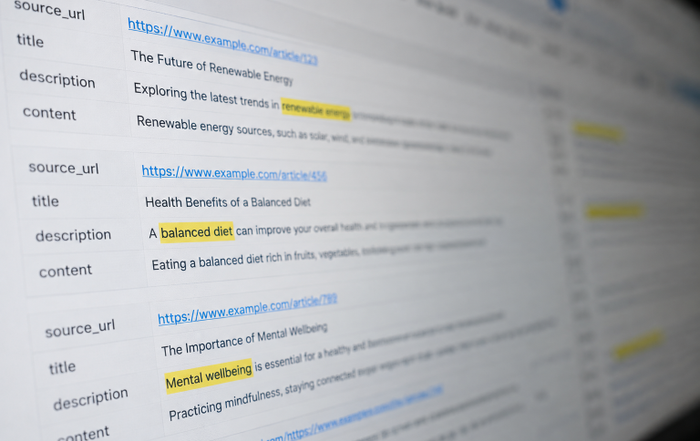
- How to Compare Search, Scraping, Crawling, and Extraction Tools for AI Agents
- How To Build A Practical Home Medical Supply Plan For Safer Daily Care In Sarasota, Florida
- Andrew Sorial: Why Psychiatrists Should Collaborate with Other Healthcare Providers
- Medication Errors And Medical Malpractice Claims

Key Takeaways Shibby RV Living is located in Woodruff, South [...]
Key Takeaways Search, scraping, crawling, and extraction serve different stages [...]

Key Takeaways Build the supply plan around daily care tasks. [...]
Andrew Sorial is a board-certified psychiatrist based in Boca Raton, [...]
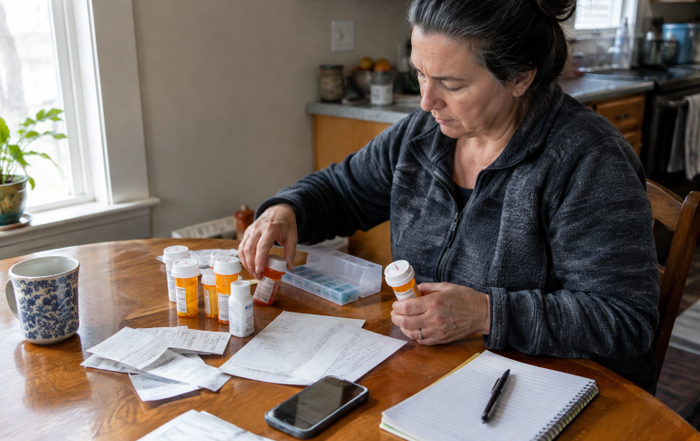
Key Takeaways Medication errors do not automatically establish medical malpractice, [...]
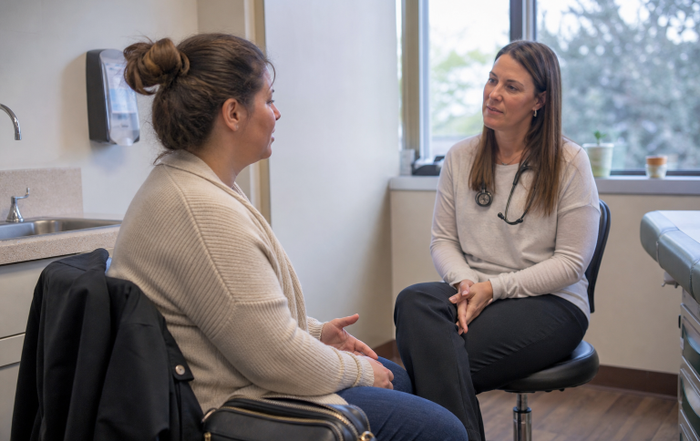
Key Takeaways Primary care is often the best starting point [...]
Andrew Sorial: Why Psychiatrists Should Collaborate with Other Healthcare Providers
What to Know Before Trying IV Vitamin Therapy
Why Scale Weight Can Mislead: A Los Angeles, California Guide to Tracking Fat, Muscle, and Fitness Progress