


Table of Contents
- Introduction
- General Liability Insurance
- Property Insurance
- Workers’ Compensation Insurance
- Professional Liability Insurance
- Cyber Liability Insurance
- Business Interruption Insurance
- Commercial Auto Insurance
- Conclusion
Small businesses face an array of risks every day, from potential lawsuits to property damage to unforeseen disruptions that can affect everything from daily operations to long-term plans. Navigating these risks starts with choosing the right insurance coverage that protects both your assets and your livelihood. By investing in coverage for growing companies, you can minimize financial losses and secure peace of mind as you focus on building your business. Adequate insurance coverage enables business owners to recover more quickly from setbacks, fostering confidence to pursue new opportunities and drive sustainable growth.
Unexpected incidents like accidents, natural disasters, and cyber threats can jeopardize a business’s operations and financial stability. Proper insurance coverage is crucial for small business owners to protect against significant financial burdens and to enhance confidence among clients and employees. Understanding various coverage options is essential for making effective decisions tailored to specific needs and for building resilience against evolving risks. As operational risks grow with technological and economic changes, a guide outlining essential insurance policies, including those for physical damage, legal liability, and cyber threats, helps business owners prepare and strengthen their long-term viability.
General Liability Insurance
General liability insurance is foundational for small businesses. It protects against third-party claims for bodily injury, property damage, and advertising injury arising from normal business operations. For example, if a customer slips and falls on your property, this insurance can cover medical costs and legal expenses, which might otherwise be financially devastating. These types of incidents are among the most frequent risks businesses face, making this policy essential for long-term viability. Many landlords and clients even require proof of general liability insurance before entering into contracts with your business. Additionally, this type of insurance often covers damages caused by your employees in the course of business, expanding your overall protection.
Property Insurance
Property insurance covers losses tied to physical assets, such as your building, equipment, inventory, and furniture. Events like fire, vandalism, burst pipes, or severe weather can devastate business operations in an instant. With repair or replacement costs often running into tens of thousands of dollars, having this policy is crucial for business continuity. This policy helps cover repairs or replacements, allowing your business to recover quickly and minimize downtime. Many insurers offer flexible property coverage, ensuring you can tailor protections to fit your distinct risks and the unique aspects of your operations. Property insurance often includes coverage for loss of income resulting from business interruptions caused by covered events, providing another critical layer of financial security.
Workers’ Compensation Insurance
If you have employees, most states legally require workers’ compensation insurance. This policy provides benefits such as medical care, rehabilitation, and a portion of lost wages if an employee is injured on the job or becomes ill due to workplace conditions. It also helps with retraining costs if an employee needs to move to a different job. Workers’ compensation not only shields your team but also protects your business from potential lawsuits resulting from workplace injuries or illnesses. Employers can face significant fines and legal action if they fail to carry this coverage, highlighting its critical role in responsible business management. Ensuring compliance with state regulations is key to maintaining a reputable, ethical business environment and supporting a positive workplace culture where employees feel valued and protected.
Professional Liability Insurance
Professional liability insurance, also known as errors and omissions (E&O) insurance, is indispensable for businesses offering professional advice or specialized services. It protects against claims of negligence, mistakes, or failure to deliver services as agreed, which could otherwise lead to expensive lawsuits and reputational harm. Even with rigorous quality controls, misunderstandings or errors can occur, and this protection is invaluable for consulting firms, medical providers, and anyone whose advice or expertise is a core offering. Clients increasingly expect professionals to carry this coverage as part of standard business practice, and in some industries, contracts mandate it before work can begin.
Cyber Liability Insurance
Modern businesses, regardless of size, face ever-increasing cyber threats. Valuable company, customer, and payment data can be vulnerable to hackers, malware, and ransomware. Cyber liability insurance helps cover costs associated with data breaches, malware attacks, and other digital security incidents. It covers the costs of notifying affected individuals, credit monitoring, legal expenses, and, in some cases, ransom payments. The aftermath of a major breach can be devastating, from financial losses to damage to your reputation and client trust. As cyber risks continue to evolve and grow in complexity, organizations must treat digital security as a core business priority, making this coverage essential for both brick-and-mortar and online operations. Investing in cyber insurance also signals to clients that you take security and privacy seriously, fostering stronger business relationships.
Business Interruption Insurance
Business interruption insurance is designed to help companies survive periods when operations must temporarily stop due to a covered event, such as a fire or natural disaster. This coverage reimburses lost income, pays ongoing expenses, and sometimes covers the costs of relocating or operating from a temporary location until normal operations resume. Business interruption coverage can mean the difference between rebounding and closing your doors, especially for businesses with narrow profit margins. It is particularly crucial for maintaining cash flow and meeting essential obligations during downtime, ensuring that a single catastrophic event does not lead to permanent closure. Some policies also include extra expense coverage, helping you get back up and running as quickly as possible and further supporting business resilience.
Commercial Auto Insurance
Many small businesses rely on vehicles to deliver products, carry equipment, or transport employees. Commercial auto insurance protects these vehicles from accident-related damage and liability, whether an employee is driving a company car or using their personal vehicle for business purposes. It covers medical bills, repairs, and legal costs resulting from on-the-job vehicle incidents. Even a minor accident can result in high costs or legal challenges, and commercial coverage helps keep such risks in check. Even if your business owns only a single vehicle, personal auto insurance usually does not provide sufficient coverage for business use, making a commercial policy vital for seamless operations. Moreover, comprehensive auto coverage can include protection against theft, vandalism, and damage caused by uninsured motorists, providing all-around vehicle security.
Conclusion
Having the right insurance coverage is more than a formality for small businesses; it is a lifeline in times of crisis. The coverage options outlined above offer protection from the most prevalent risks, helping businesses maintain continuity, honor commitments, and safeguard their workforce. Investing in comprehensive coverage not only safeguards assets but also enhances your standing among clients, investors, and employees who value stability. Regularly reviewing your policies and consulting with experienced insurance professionals ensures that your coverage evolves with your business, enabling you to focus on growth and client satisfaction, regardless of the challenges ahead. Ultimately, insurance is an investment in long-term stability, growth, and peace of mind.
- How Can RV Travelers Find a Peaceful, Full-Hookup RV Park Near Greenville? Shibby RV Living Offers a Simpler Stay
- How to Compare Search, Scraping, Crawling, and Extraction Tools for AI Agents
- How To Build A Practical Home Medical Supply Plan For Safer Daily Care In Sarasota, Florida
- Andrew Sorial: Why Psychiatrists Should Collaborate with Other Healthcare Providers
- Medication Errors And Medical Malpractice Claims

Key Takeaways Shibby RV Living is located in Woodruff, South [...]
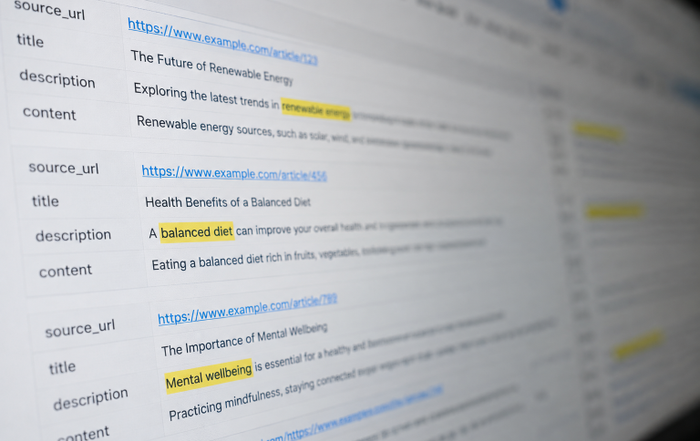
Key Takeaways Search, scraping, crawling, and extraction serve different stages [...]

Key Takeaways Build the supply plan around daily care tasks. [...]
Andrew Sorial is a board-certified psychiatrist based in Boca Raton, [...]

Key Takeaways Medication errors do not automatically establish medical malpractice, [...]

Key Takeaways Primary care is often the best starting point [...]
How To Build A Local Mental Health Support Network In Meridian
Party’s or Parties: Which One Is Correct?
Circuit Party: A Complete Guide to Meaning, Culture, Music, Safety, and Modern Events