


Key Takeaways
- Non-invasive technologies are revolutionizing weight management by offering safer and more accessible alternatives to traditional methods.
- Advancements include wearable sensors, endoscopic procedures, and digital health tools that personalize treatment plans.
- Combining technology with human coaching enhances the effectiveness of weight loss programs.
Table of Contents
- Wearable Sensors: Monitoring and Modifying Behavior
- Endoscopic Procedures: Minimally Invasive Interventions
- Digital Health Tools: Personalized Support Systems
- Combining Technology and Human Coaching
- Future Directions in Non-Invasive Weight Management
In recent years, the landscape of weight management has undergone a significant transformation, thanks to the advent of non-invasive technologies. These innovations offer effective alternatives to traditional methods, providing individuals with safer and more accessible options for achieving their health goals. One such advancement is the invisa red weight loss system offered by Weight Loss RVA. This FDA-cleared, non-invasive device utilizes specific wavelengths of red and infrared light to target fat cells, promoting weight reduction, fat loss, and inch loss. Serving the Richmond, VA area, Weight Loss RVA has established itself as an authority in non-invasive weight management solutions, helping numerous clients achieve their desired outcomes.
Wearable Sensors: Monitoring and Modifying Behavior
Wearable technology has become a cornerstone in modern weight management. Devices such as smartwatches and fitness trackers monitor physical activity, heart rate, and even eating habits. A study by Northwestern University utilized a combination of wearable sensors to identify distinct patterns of overeating, including late-night snacking and stress-induced eating. This real-time data enables individuals to recognize and modify their behaviors effectively.
In addition, advances in bio-sensing have led to wearables capable of measuring blood glucose, hydration levels, and stress markers, offering a more holistic approach to managing weight. When used in conjunction with mobile applications, these devices provide users with a comprehensive snapshot of their daily wellness, including sleep quality and calorie intake, making it easier to identify unhealthy habits and intervene sooner. As these technologies become more affordable and user-friendly, they are expected to be incorporated into mainstream health programs, offering tailored coaching suggestions and reminders to help individuals achieve their weight loss goals without feeling overwhelmed by data.
Endoscopic Procedures: Minimally Invasive Interventions
For those seeking medical interventions without the risks associated with traditional surgery, endoscopic procedures offer a promising solution. Techniques like Endoscopic Sleeve Gastroplasty (ESG) reduce stomach volume using internal sutures placed through an endoscope inserted via the mouth. This method reshapes the stomach into a smaller, sleeve-like form, promoting early satiety and reduced calorie intake without external incisions. The minimally invasive nature of ESG results in shorter recovery times and fewer complications compared to conventional bariatric surgery.
Other non-invasive procedures, such as the use of intragastric balloons, which are temporarily placed in the stomach to occupy space and induce fullness, have also gained popularity. These developments provide new alternatives to patients unable or unwilling to undergo major surgery. Furthermore, many of these newer procedural interventions can be performed on an outpatient basis, allowing for convenience and fast recovery, which is essential for busy individuals balancing work and family life. Ongoing improvements in endoscopic technology, anesthesia, and patient monitoring mean these solutions are likely to become even safer and more widely accessible in the coming years.
Digital Health Tools: Personalized Support Systems
Digital health tools, including mobile applications and online platforms, have revolutionized weight management by offering personalized support. These tools provide tailored meal plans, exercise routines, and behavioral strategies based on individual data. The integration of artificial intelligence allows for continuous adaptation of these plans, enhancing their effectiveness. However, it’s important to note that while technology offers valuable resources, the human element remains crucial. A study highlighted that technology alone resulted in less effective weight losscompared to programs that combined digital tools with human coaching.
Furthermore, the scalability of digital health tools allows them to reach diverse populations, including those in remote or underserved areas where access to traditional health services may be limited. Platforms with social support features such as online forums, progress tracking, and live chat with health professionals can cultivate a sense of community, accountability, and belonging, which has been shown to increase long-term adherence. As telehealth becomes more deeply integrated into everyday life, we can expect digital platforms to further enhance features like meal and grocery delivery coordination, real-time feedback during workouts, and mental health modules targeting emotional eating and stress management.
Combining Technology and Human Coaching
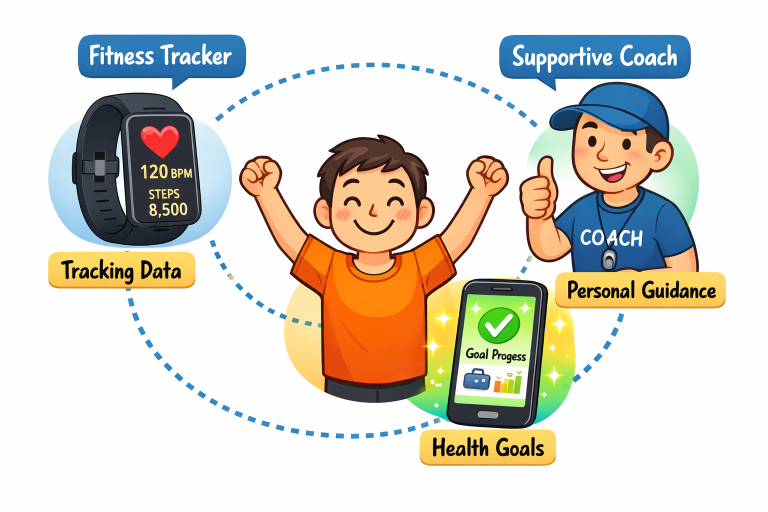
The synergy between technology and human coaching has proven to be a game-changer in weight management. While digital tools provide data and structure, human coaches offer empathy, motivation, and personalized insights that technology cannot replicate. This combination addresses both the physiological and psychological aspects of weight loss, leading to more sustainable outcomes. For instance, programs that integrate wearable devices with regular consultations from health professionals have shown higher success rates compared to those relying solely on technology.
Human coaches, nutritionists, and fitness specialists can interpret complex data gathered from digital tools and translate it into actionable health advice tailored to each person’s cultural, emotional, and practical needs. Their role in offering ongoing encouragement, troubleshooting obstacles, and celebrating milestones cannot be overstated. This relationship also cultivates adherence by keeping participants engaged throughout fluctuations in motivation. As more weight loss clinics adopt hybrid models blending advanced technology with professional guidance, success rates are expected to improve markedly while helping to address weight-related health disparities across different communities.
Future Directions in Non-Invasive Weight Management
Looking ahead, the field of non-invasive weight management is poised for further innovation. Emerging technologies such as neuromodulation devices, which use electrical stimulation to influence hunger and satiety signals, are on the horizon. Additionally, advancements in artificial intelligence and machine learning are expected to enhance the personalization of weight loss programs, making them more effective and user-friendly. As these technologies evolve, they hold the promise of making weight management more accessible and tailored to individual needs.
Future directions may also include the development of smart clothing equipped with bio-sensors that monitor metabolic biomarkers, posture, and muscle activity, providing feedback to optimize exercise routines and prevent injuries. Moreover, as research delves deeper into genetics and gut microbiome analysis, non-invasive tests could soon inform hyper-personalized nutrition and fitness strategies, further boosting the effectiveness of weight management interventions. The collaboration between researchers, technologists, and healthcare providers will ensure these advances are ethically implemented, prioritizing user privacy and accessibility while striving to reduce the stigma often associated with weight challenges.
In conclusion, non-invasive technologies are reshaping the approach to weight management, offering safer and more personalized options. By combining these innovations with human support, individuals are better equipped to achieve and maintain their health goals. The momentum gained in recent years suggests a continually evolving landscape where the integration of cutting-edge technology, medical expertise, and empathetic coaching will empower people on every step of their wellness journey.
- How to Build a Men’s Shirt Rotation That Works All Year
- A Practical Checklist for Buying an Investment Property in Northwest Florida
- A Checklist for Choosing a Tooth Replacement Plan in Rapid City, SD
- How Can RV Travelers Find a Peaceful, Full-Hookup RV Park Near Greenville? Shibby RV Living Offers a Simpler Stay
- How to Compare Search, Scraping, Crawling, and Extraction Tools for AI Agents
A reliable shirt rotation makes getting dressed easier because each [...]

Buying an investment property in Destin, Fort Walton Beach, Niceville, [...]

Replacing a missing tooth is not simply a matter of [...]

Key Takeaways Shibby RV Living is located in Woodruff, South [...]

Key Takeaways Search, scraping, crawling, and extraction serve different stages [...]

Key Takeaways Build the supply plan around daily care tasks. [...]
Modern Approaches to Spine Pain Relief
Understanding the Healing Process for Ankle Wounds
A Focus on Minimally Invasive Techniques in Orthopedic Surgery