


Back pain is one of the most common health concerns worldwide. While conventional treatments such as medication and physical therapy are effective, many individuals benefit from a more comprehensive approach to care. Integrative therapies combine traditional medical treatments with complementary strategies that address the physical, emotional, and lifestyle factors contributing to discomfort, and exploring their benefits can help individuals develop a well-rounded plan for managing back pain and improving long-term health outcomes.
i. Understand the Root Causes
Back discomfort can arise from various causes, making it necessary to identify the root issue for effective treatment. Lower back discomfort often comes from muscle strains, herniated discs, or poor posture. Upper back discomfort is typically caused by muscle tension or nerve compression, while middle back discomfort may point to problems with the thoracic spine, such as stiffness or strain between the shoulder blades.
Diagnostic tools like X-rays, MRIs, and physical exams help determine the exact cause of the pain, and once identified, targeted treatment plans will address both physical issues and contributing lifestyle factors. Integrative therapies are most effective when paired with an accurate diagnosis because they focus on the structures causing pain and overall habits.
ii. Explore Naturally Non-Invasive Therapies
Non-invasive treatments provide relief without the risks of surgery or long-term medication. Physical therapy strengthens spine-supporting muscles, improves flexibility, and corrects harmful movement patterns contributing to thoracic back pain. Targeted exercises reduce strain on the back and help prevent future injuries.
Many patients experience significant improvements after several exercise sessions, especially when paired with other therapies. Specific injections, such as epidural injections and facet joint injections, are innovative treatments deployed based on the location and severity of the pain. These combined approaches offer a holistic solution for managing spine pain effectively.
iii. Strengthen Mind-Body Connection
Managing back discomfort involves more than just physical treatment. It is also necessary to address the mental and emotional aspects of pain. Stress and anxiety can make lower back pain worse by heightening one’s sensitivity to pain. They often cause muscle tension and change how the brain processes pain. Mind-body therapies, such as yoga, can help break this cycle and promote lasting relief.
Meditation and mindfulness teach you to observe pain without reacting to it. This can reduce its intensity and help you manage it better. Cognitive-behavioral therapy (CBT) helps if your pain has led to stress or depression. It helps you identify negative thought patterns and develop healthier responses. This trains you to monitor and control your physical responses to the situation, giving you more control over your symptoms.
iv. Create a Personalized Integrative Care Plan
Since everyone experiences back pain differently, a personal treatment plan is key. Your care team will start with a comprehensive evaluation. This looks at your medical history, lifestyle, and symptoms. It helps determine the most effective therapies for you.
Regular follow-ups allow your providers to track your progress. They can adjust treatments as your needs change. Lifestyle changes are also a key part of your plan. This includes improving posture and maintaining a healthy weight. Adding regular physical activity also helps prevent future back pain.
Schedule Your Back Pain Consultation
Managing back discomfort through integrative therapies offers a path to natural, lasting relief. Doing that addresses both the physical and emotional wellbeing of spine pain. If you are experiencing persistent back discomfort, seek professional help. Consult a back pain specialist near you for comprehensive, compassionate care tailored to your unique conditions.
- How to Build a Men’s Shirt Rotation That Works All Year
- A Practical Checklist for Buying an Investment Property in Northwest Florida
- A Checklist for Choosing a Tooth Replacement Plan in Rapid City, SD
- How Can RV Travelers Find a Peaceful, Full-Hookup RV Park Near Greenville? Shibby RV Living Offers a Simpler Stay
- How to Compare Search, Scraping, Crawling, and Extraction Tools for AI Agents
A reliable shirt rotation makes getting dressed easier because each [...]

Buying an investment property in Destin, Fort Walton Beach, Niceville, [...]
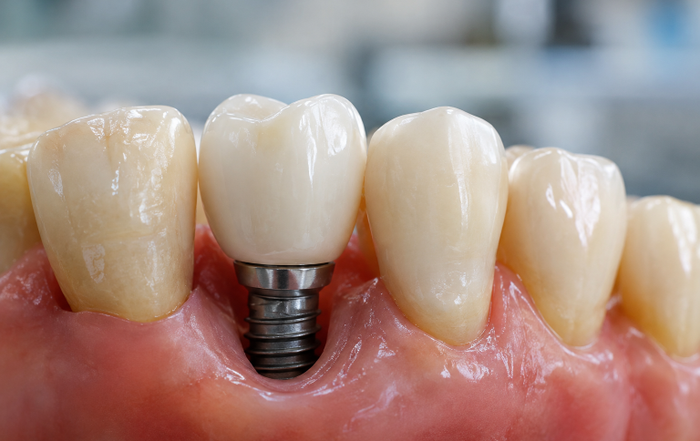
Replacing a missing tooth is not simply a matter of [...]

Key Takeaways Shibby RV Living is located in Woodruff, South [...]
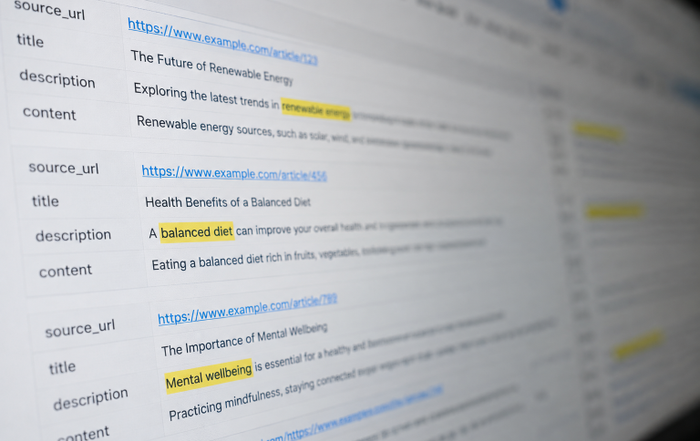
Key Takeaways Search, scraping, crawling, and extraction serve different stages [...]

Key Takeaways Build the supply plan around daily care tasks. [...]
How To Build A Practical Home Medical Supply Plan For Safer Daily Care In Sarasota, Florida
Medication Errors And Medical Malpractice Claims
Choosing the Right Care Setting for Common Health Concerns in Flemington, New Jersey